
Every business says it is great. A case study video lets someone else say it for you. When a real client explains the problem they had, what you did and what changed, it is more believable than any advert, and it answers the question every buyer is quietly asking: has this worked for someone like me?
I film business video across Liverpool, including case studies and testimonials. Here is how to make a case study video that people trust, and that actually helps you win work.
The short version
- Pick a client whose story matches the customers you want more of.
- Structure it as problem, solution, result.
- Interview the client, do not script them.
- Show the work happening, not just people talking.
- Cut a main film plus short clips for sales emails and social.
Case study vs testimonial
A testimonial is a quick endorsement: “they were brilliant, I would recommend them”. A case study tells a story with a beginning, middle and end, and usually some proof of results. Both are useful. Testimonials build general trust. Case studies help a specific type of buyer see themselves in the story. If you want the quick version, my testimonial video questions guide has you covered.
Choose the right client
Pick a client who looks like the customers you want more of. If you want bigger contracts, feature a bigger client. If you want to break into a new sector, feature a client from it. Enthusiasm matters too: a client who genuinely liked working with you will come across far better than a reluctant one.
The structure that works
Problem
Where they wereWhat was going wrong, what it was costing them, why it mattered.
Solution
What you didWhy they chose you and how the work happened, in their words.
Result
What changedNumbers if you have them, feelings if you do not. Both count.
Interview, do not script
Scripted clients sound like they are reading from an autocue. Instead, I interview them with open questions and let them talk. Good questions include: What was happening before? What made you pick this company? What surprised you? What would you tell someone in your position? Then the story is built in the edit from their natural answers.


Show, do not just tell
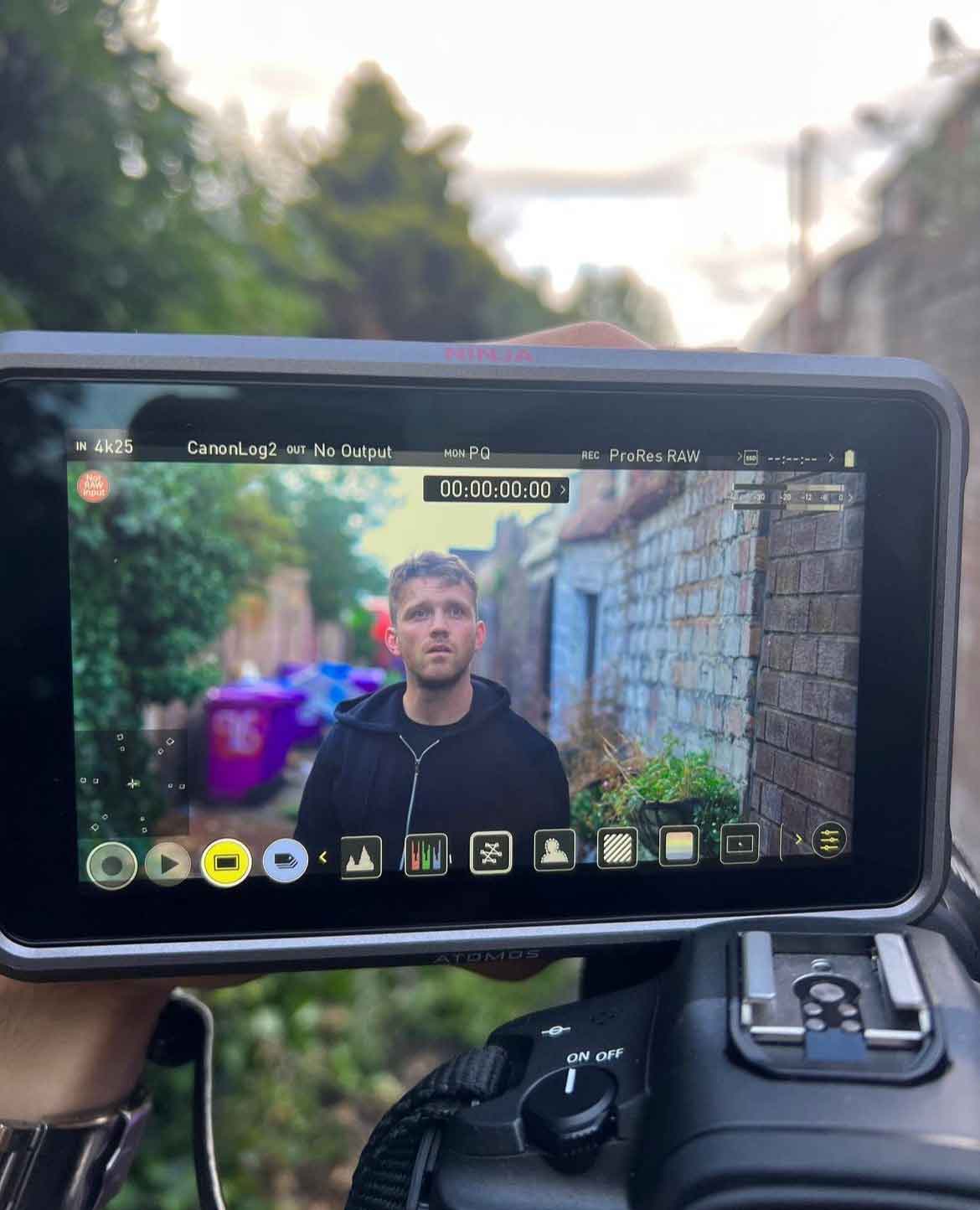
A case study that is only a talking head gets tiring fast. Film the work itself: the product in use, the team on site, the before and after. This footage, called b-roll, lets the edit cut away while the client talks and makes the story visual.
Length and where to use it
Aim for 90 seconds to two and a half minutes for the main film. Then cut shorter versions:
- A 30 second version for social and ads.
- A single strong quote clip for sales emails and proposals.
- The full film on the relevant service page of your website.
More on length in how long should a business video be. For planning the day, see how to plan a promo video.
Questions businesses ask
What is a case study video?
A short film where a real client explains the problem they had, what your business did and the result, usually combining interview footage with footage of the work.
How long should a case study video be?
Around 90 seconds to two and a half minutes for the main film, with shorter cuts for social media and sales emails.
Should clients follow a script in a case study video?
No. Interviewing them with open questions gives natural, believable answers, and the story is shaped in the edit.
What is the difference between a testimonial and a case study video?
A testimonial is a quick endorsement. A case study tells the full story of problem, solution and result, often with proof of what changed.
More business video guides: how to look natural on camera, video ideas for small businesses and what a business video costs.
Got a client with a great story?
Let’s tell it properly
Case study and testimonial films shot across Liverpool, with short cuts for sales and social.