

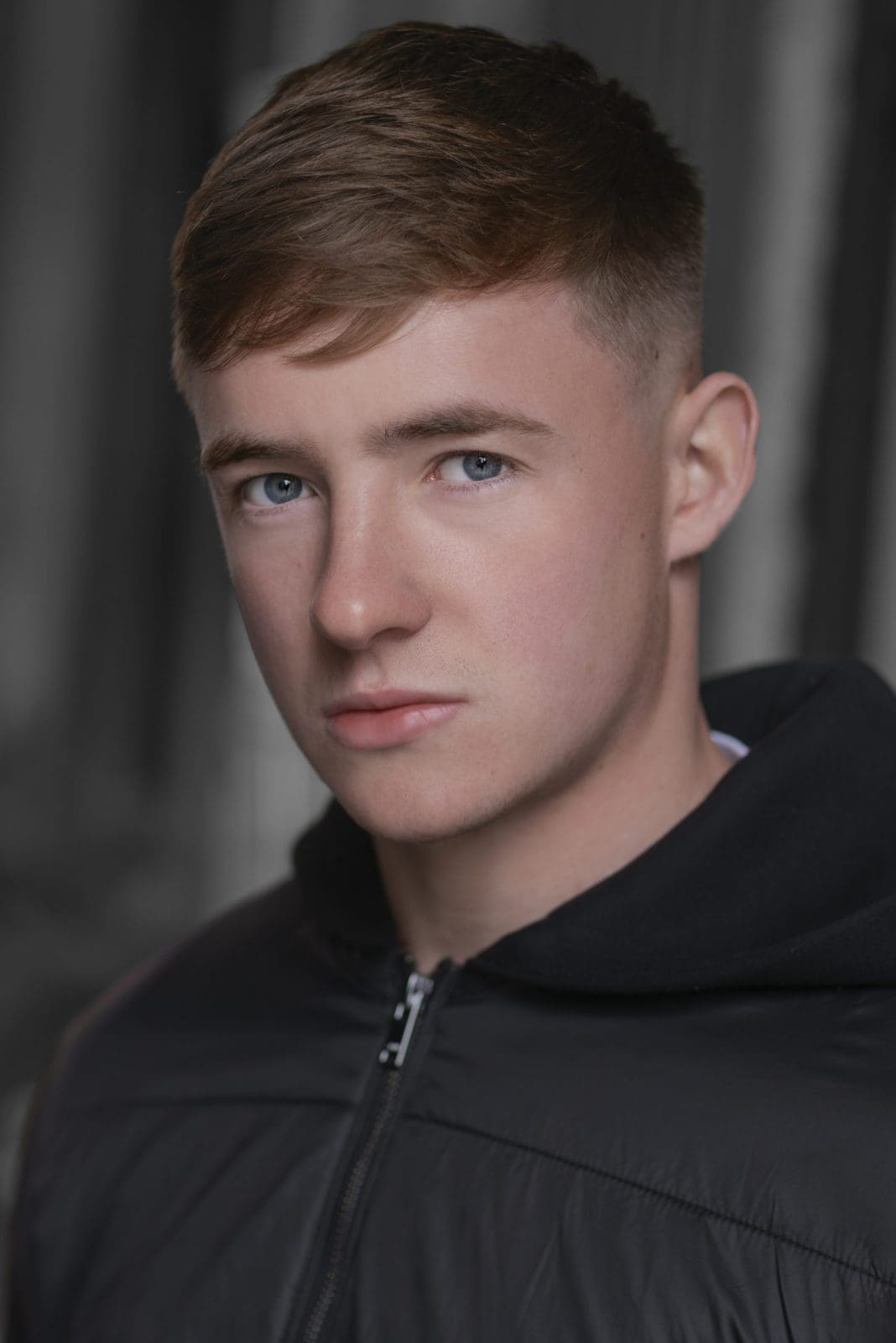
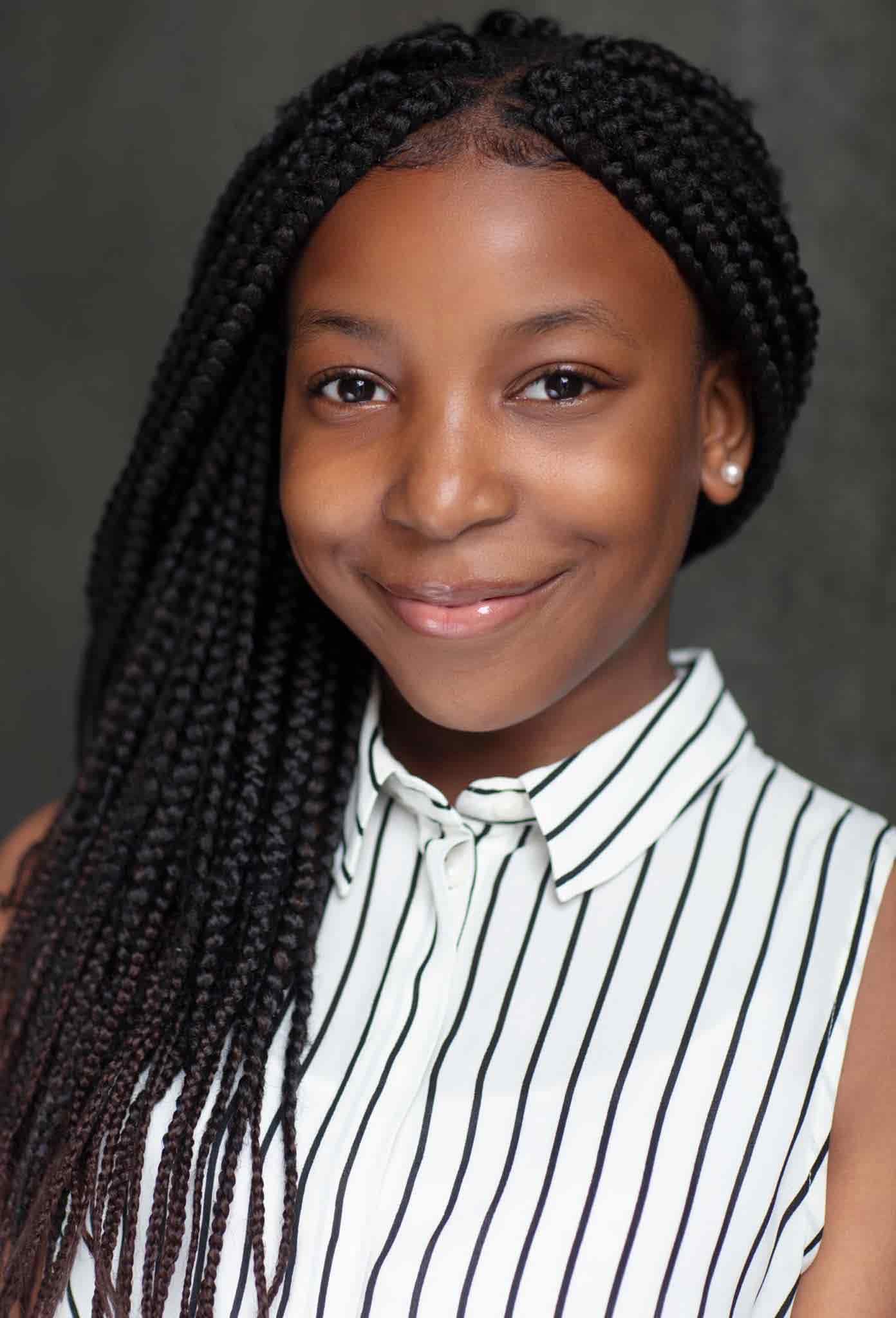
Your Spotlight profile is often the first place a casting director meets you. When your agent suggests you for a role, casting sees a small thumbnail and a name in a long list. Whether they click is decided in about a second, and what they find when they do can decide whether you get the audition.
I am an actor with a Spotlight profile of my own, and I shoot headshots for actors who use theirs every day. These are the Spotlight profile tips that make the biggest difference, most of which cost nothing but a bit of time.
The short version
- Your main photo does most of the work. Make it current, clear and true to your casting.
- Use the gallery for range, but only looks you would really be cast in.
- Only list skills and accents you could do on set tomorrow.
- Keep credits tidy and recent, with the strongest first.
- Add clips, even short ones. Casting love to see you move and speak.
1. Your main photo is the whole shop window
When casting scroll through suggestions, the main photo is almost all they see. It needs to look like you now, be sharp at a small size and give a clear sense of what you play. Busy backgrounds, heavy retouching and dramatic lighting that hides your face all work against you when the image is the size of a stamp.
Spotlight have their own photo rules and sizes, which I have covered in Spotlight headshot requirements. The short version is a good quality colour headshot, head and shoulders, recent, and not over edited.
2. Use the gallery to show range you actually have
The gallery is where you can show different sides of your casting. A warmer commercial look, a darker screen look, something in a jacket that reads professional. Each should still be clearly you, and each should match a role you could genuinely be put up for.
Three to six strong images are better than fifteen similar ones. If two shots say the same thing, keep the better one. I talk more about building looks in commercial vs theatrical headshots.


3. Credits: tidy, honest and strongest first
You do not need a long credit list, but what is there should be correct and easy to scan. Put your most relevant and recent work first. Student films, fringe theatre and showcases count, as long as you describe them accurately. Casting directors notice padding, and they notice honesty too.
4. Skills and accents: only what you can do tomorrow
This section gets searched. Casting teams filter for things like horse riding, stage combat, a Scouse accent or a particular sport, so a well filled skills list can get you seen for jobs you would never find otherwise.
The rule is simple: if you tick it, you should be able to do it on set with little notice. Rate levels honestly. Being found out on the day hurts your reputation and your agent’s.
Worth adding
Native accent, accents you can hold for a whole scene, sports you play now, instruments, languages, driving licence, dance styles you have trained in.
Leave off
Anything you did once, accents you can only do for a line, and skills you would need to relearn before a job.
5. Add clips, even if they are short
Spotlight lets you add video and audio clips, and a profile with footage is much more useful to casting than one without. A casting director might watch 20 seconds of your clip before deciding to call you in. Short, well lit and well recorded scenes are worth far more than one long reel with a slow start.
If you do not have much footage, a single filmed scene or a strong self tape style clip is a good start. My guides on how long a showreel should be and getting showreel scenes when you have no footage go into more detail.
6. Keep it current
Set a reminder every few months to check your profile. New credits, a change in hair, a new playing age, a new skill. When you change your look, update your photos. I cover timing in how often actors should update their headshots.
Profile check
Photos
- Main photo looks like you today
- Gallery shows real range, no repeats
- Sharp and clear at thumbnail size
Details
- Credits accurate, strongest first
- Skills and accents you can do on set
- At least one clip added
Questions actors ask about Spotlight
What makes a good Spotlight main photo?
A recent, sharp colour headshot that looks like you now and shows your casting clearly, even at thumbnail size. Keep the background simple and the retouching light.
How many photos should I have on Spotlight?
A strong main photo and a handful of gallery images that each show a different, realistic side of your casting. Three to six good looks usually beat a long gallery of similar shots.
Should I list accents I can only do a little?
No. Only list accents and skills you could perform on set with little notice, and rate them honestly. Casting teams search these fields and will expect you to deliver.
Do I need a showreel on my Spotlight profile?
It is not essential, but clips make you far easier to cast. Even one short, well filmed scene helps casting see how you move and sound.
More guides for actors: how to get an acting agent, what happens in a headshot session and what to wear for actor headshots.
Profile looking tired?
Give casting a reason to click
Spotlight ready headshots shot by a working actor, with looks built around the roles you want.