
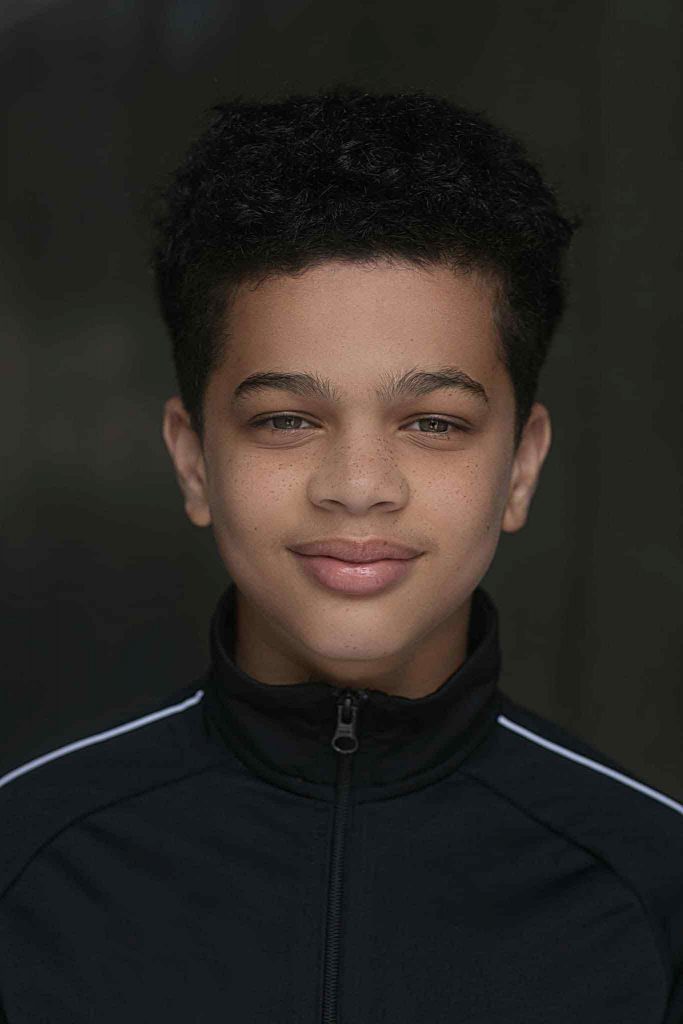

Headshots do not go off on a set date, but they do stop working. The moment you walk into a casting and the director glances from your photo to your face and back again, your headshot has cost you something.
So how often should you update them? The honest answer is “when you no longer look like them”, but that is not much help when you are planning your budget. Here is the rule of thumb casting directors give, the changes that mean you need new ones now, and how to plan it so you are never caught short. I shoot actor headshots in Liverpool and I am a working actor too, so I plan my own around the same rules.
The short version
- Every one to two years as a baseline for adults.
- Every year for young performers and anyone under about 21.
- Straight away after a big change: hair, beard, weight, glasses.
- Before a big push like signing with an agent or a showcase.
- Take old photos down when new ones go up.
1. The baseline: every couple of years
In Spotlight’s interviews with casting directors, the advice for adults is to change headshots every couple of years and to remove the old ones. That is a sensible default. Even if nothing dramatic has changed, faces mature, styles shift and lighting trends move on. A photo from five years ago almost always looks five years old.
If you are in your twenties, you may find you need them closer to every year, because playing ages shift quickly. Someone who looked 17 to 21 at drama school might read 23 to 28 two years later, and your photo needs to catch up with your casting.
2. Young performers change fastest
Children and teenagers can look noticeably different in six months. Agents for young performers often ask for new photos every year, and sooner after a growth spurt, a lost front tooth or a big haircut. Keep it simple and natural, and budget for it as a yearly job.
3. Changes that mean “update now”
New hair
A new cut, a big colour change, growing it out or shaving it off. This is the most common reason.
Facial hair
If you now have a beard for most castings, or you have shaved one off, your photo needs to match.
Body and face shape
A noticeable change in weight or fitness changes how your face reads on camera.
Glasses, braces, piercings
Anything visible in the frame that is now part of your everyday look, or no longer is.
4. The quieter signs your headshots are tired
Sometimes nothing has changed about you, but the photos have stopped pulling their weight. Watch out for these:
- Your agent keeps using the same one. If they avoid most of your gallery, those photos are not selling you.
- You are not getting seen for the parts you want. Your casting has moved on and the photo has not.
- They look like a trend. Heavy filters, dramatic black and white or a very styled look can date quickly.
- You cannot remember the shoot. If you have to think about what year it was, it is probably time.
- The quality has fallen behind. Next to other actors in a casting search, your thumbnail looks softer or darker.
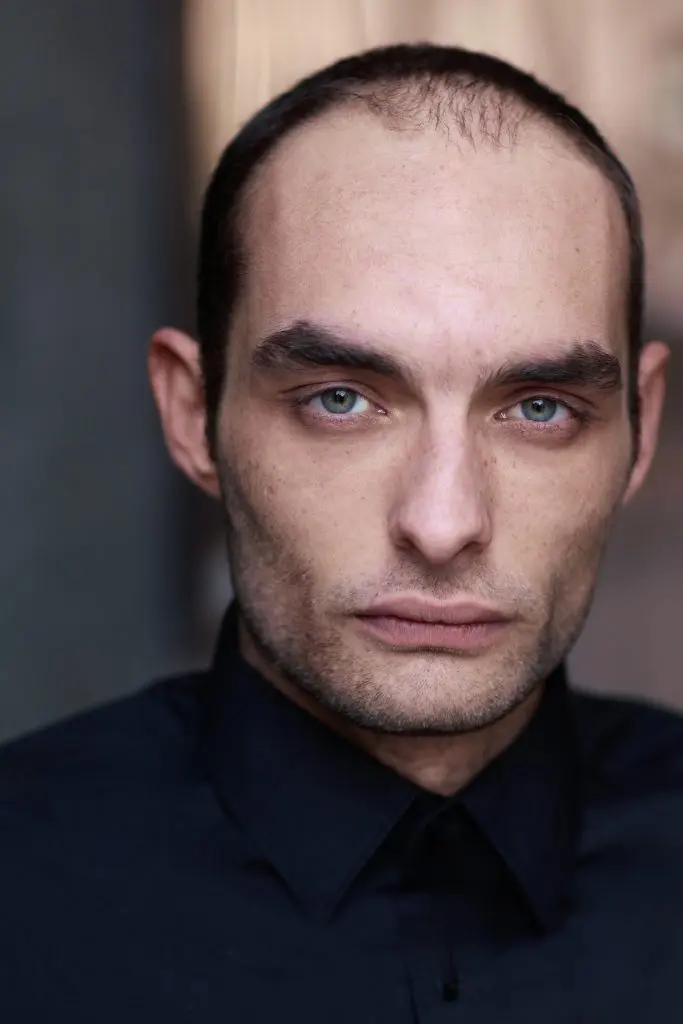

5. Time it with your career, not just the calendar
The smartest time to update is just before you need to be seen. A few moments where fresh headshots make a real difference:
Agent hunting
Before you write to agentsYour photo is the first thing they open. Make it current and strong.
Graduating
Leaving drama school or a courseShowcases, agents and your first Spotlight profile all need them at once.
New look
After a role that changed youIf a job left you with a new haircut or beard you are keeping, shoot it.
New direction
Shifting your castingMoving from comedy into drama, or into presenting, needs photos that point that way.
6. What to do with the old ones
Remove them from Spotlight, casting sites and your agent’s page when the new set goes live. Leaving old photos up confuses casting and undoes the reason you updated. Keep them for your own website or socials if you like them, where they tell your story rather than sell your look.
Questions actors ask
How often should actors get new headshots?
Every one to two years is a good baseline for adults, and every year for young performers. Update straight away after a big change to your hair, facial hair, weight or glasses.
How long do headshots last?
There is no fixed date. They last as long as you still look like them and they still match the parts you are put up for.
Should I delete my old headshots from Spotlight?
Yes. Remove old photos when new ones go live so casting only sees your current look.
I have a new haircut. Do I need new headshots?
If it is a noticeable change and you are keeping it, yes. Casting needs to meet the person in the photo.
How far ahead should I book?
Two to three weeks before you need them is comfortable. My turnaround for edited headshots is 3 to 5 working days.
More guides for actors: Spotlight headshot requirements · What to wear for actor headshots · How to prepare for actor headshots.
Time for a refresh?
Headshots that look like you today
Studio or natural light in Liverpool, edited within 3 to 5 working days, ready for Spotlight.