
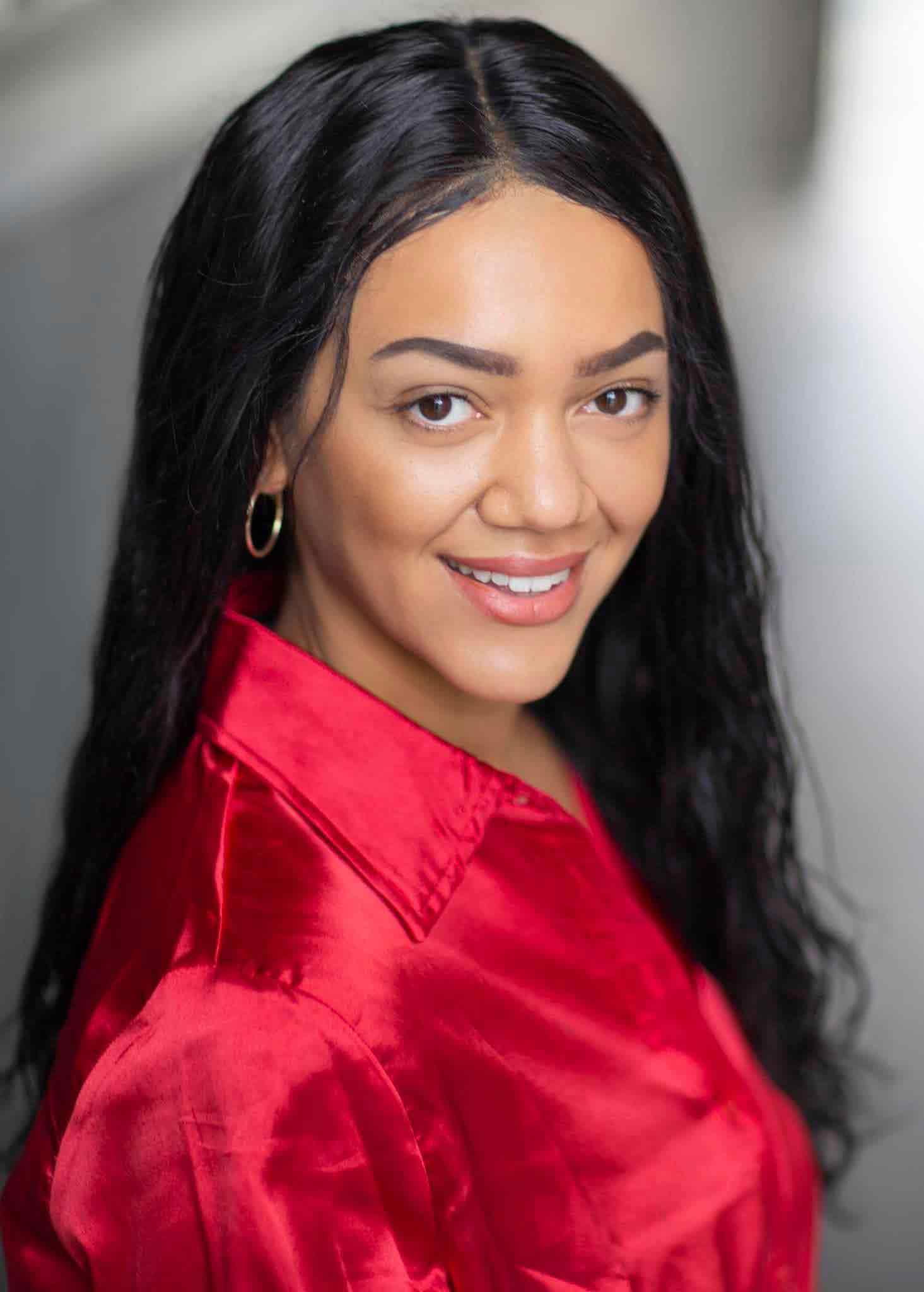

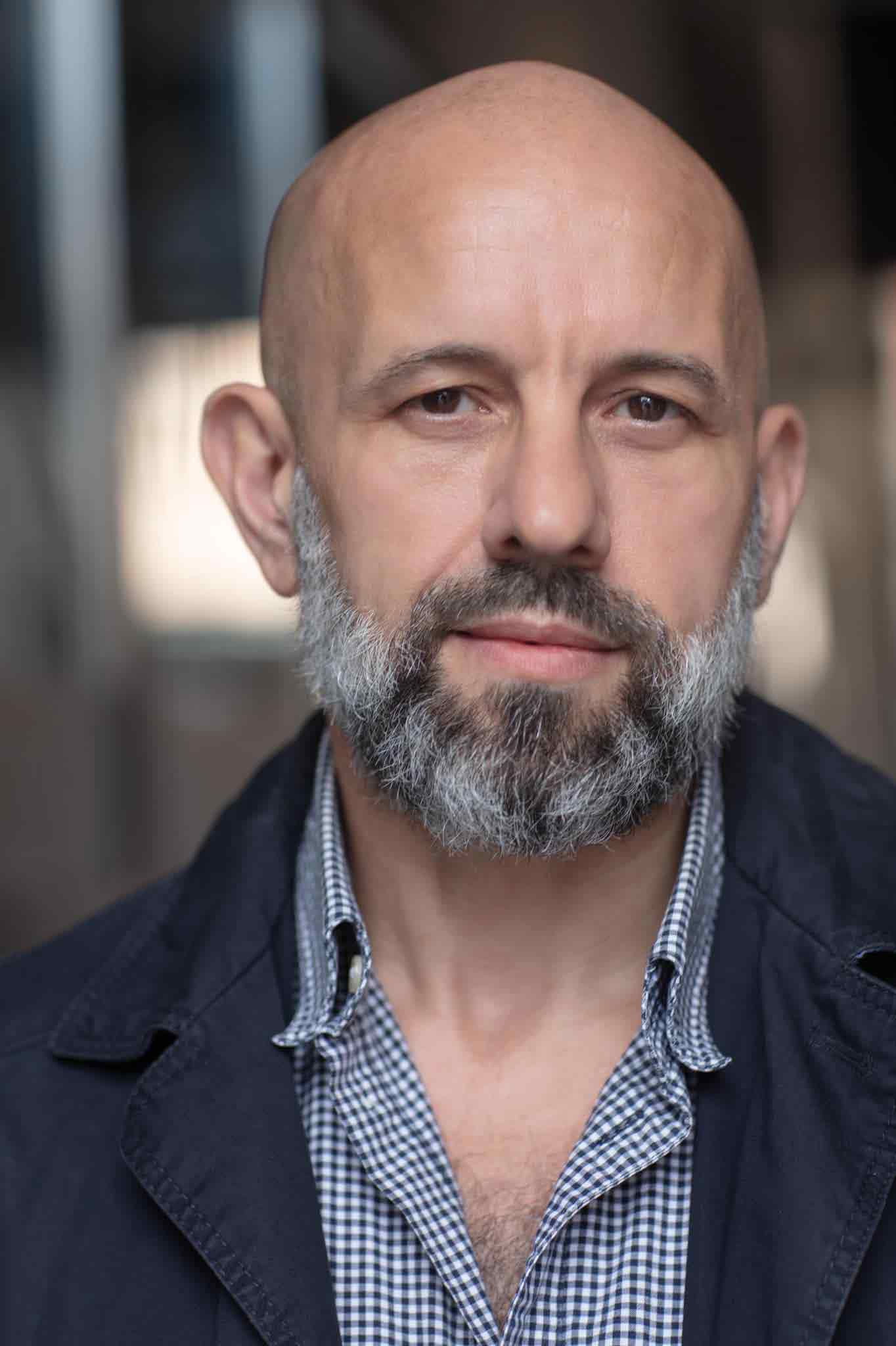
People expect an actor headshot session to be about poses. It is not. The best session feels more like a rehearsal: we work out who you are on screen and on stage, dress and light for it, and then find a real thought that sits behind your eyes.
I am a working actor as well as a photographer, so this is the session I would want to walk into myself. Here is what actually happens when you book an actor headshot session in Liverpool with me, and why you leave with more than one look. Business and LinkedIn sessions are on my headshots in Liverpool page too.
The short version
- We start with your casting. The roles you want, and the roles your face and strengths are most likely to get you seen for.
- We build looks around it. Jackets, colours, backgrounds, light and angles all set the mood.
- You do not pose. You play a thought, and the camera picks it up.
- You leave with range. A main headshot plus looks your agent can match to different breakdowns.
- It is a collaboration. Most actors forget the camera is there within minutes.
1. It starts with your casting
Before a single frame, we talk. What do you want to be put forward for? The copper, the young mum, the charming con man, the lad from the estate, the barrister? That matters, because a headshot is a sales tool and it needs to sell you for something.
Then comes the honest bit. There is what you want to play, and there is what casting is most likely to see when you walk in: your playing age, your build, your energy, the way your face settles when you are not doing anything. Neither is wrong. The strongest headshots sit where the two overlap, so your agent can put you up for parts you can win now while we nudge towards the roles you are heading for.
If you are not sure yet, that is fine. Bring a few headshots of actors you think share your casting, or tell me the last few things you were seen for, and we will work it out together. If you are torn between the two big lanes, my guide to commercial vs theatrical headshots will help.
2. Dressing and lighting for the part
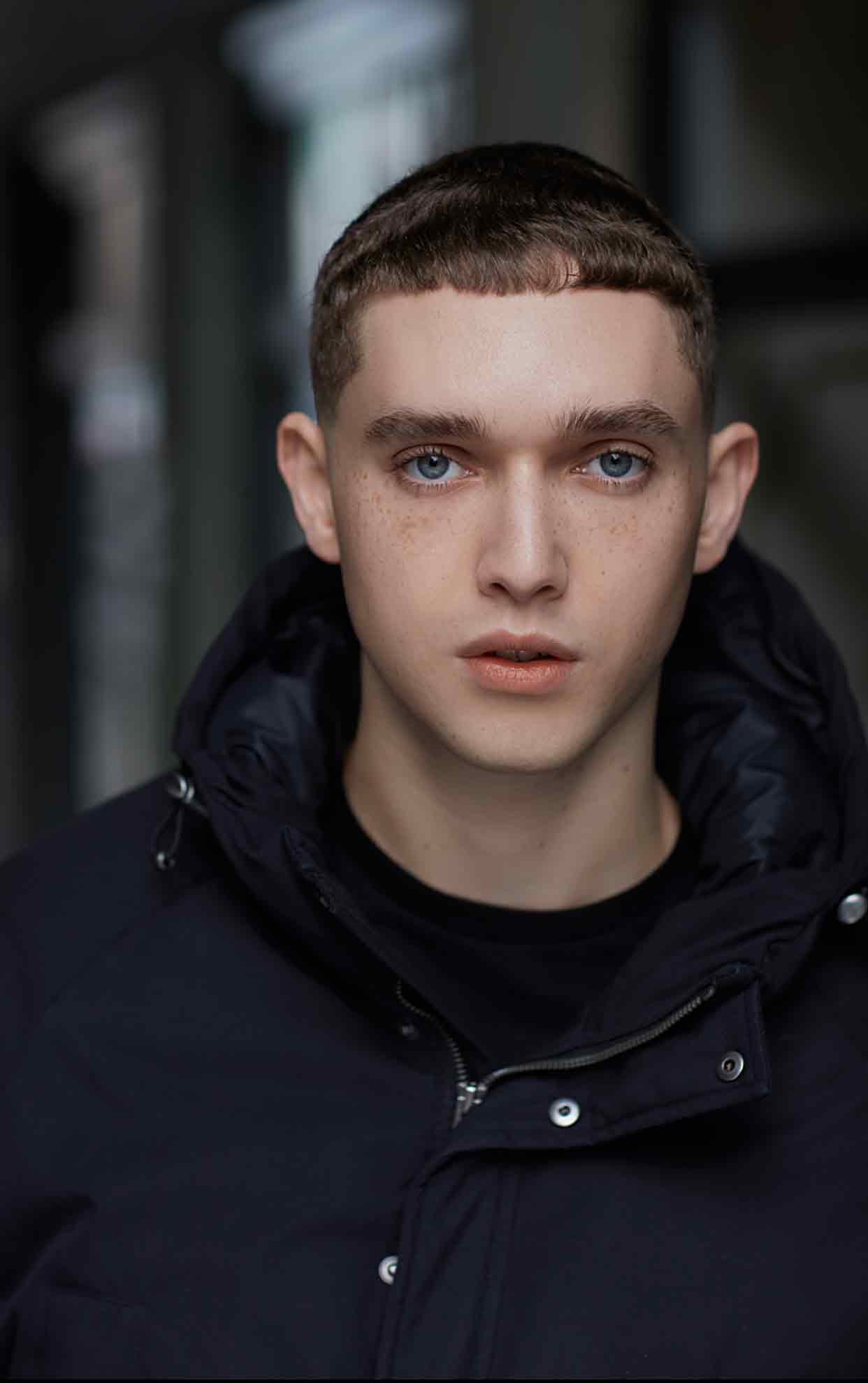
Once we know the casting, we build each look around it. This is where it gets fun. A leather jacket and harder light for the villain. A soft knit and open, warm light for the teacher or the mum. A collar and a cleaner background for the professional. We play with colours, jackets, layers, backgrounds, lighting and camera angles until the mood of the frame matches the kind of role you are going for.
None of it is costume. You still look exactly like you, because casting needs the person who walks through the door. It is more like a hint. The right jacket and the right light let a casting director imagine you in the part without having to work for it.
For what to pack, see what to wear for actor headshots. In my sessions you can change up to four times, including jackets, hair and glasses.

First
The chatYour casting, the roles you want, where the headshots are going and anything you are nervous about.
Look one
Your main headshotSimple top, clean light, a grounded thought. The one that works for almost anything.
Changes
Building the other looksNew layer, new background, new light, new thought. Each one aimed at a different kind of role.
As we go
Checking the back of the cameraYou see the shots land, so we can push a look further or change tack.
After
Choosing your setWe pick the frames that each do a different job, ready for Spotlight and your agent.
3. You do not have to pose
This is the part most actors worry about, and the part I love most. You do not need to know how to pose. I do not think a good headshot is a pose at all.
So instead of telling you to tilt your chin, I give you something to play. A memory, a line, a person on the other side of the lens, a situation that suits the look we have built. The photo ends up carrying a certain manner, a demeanour, that matches a type of role. When a casting director opens the submission your agent sent, they should feel something about you before they read your name.
Spotlight say the same thing in their own advice to actors: variety in a headshot is not about pulling faces or adopting characters, it is about eyes that are alive. Read Spotlight’s headshot tips.
4. Why you get more than one look
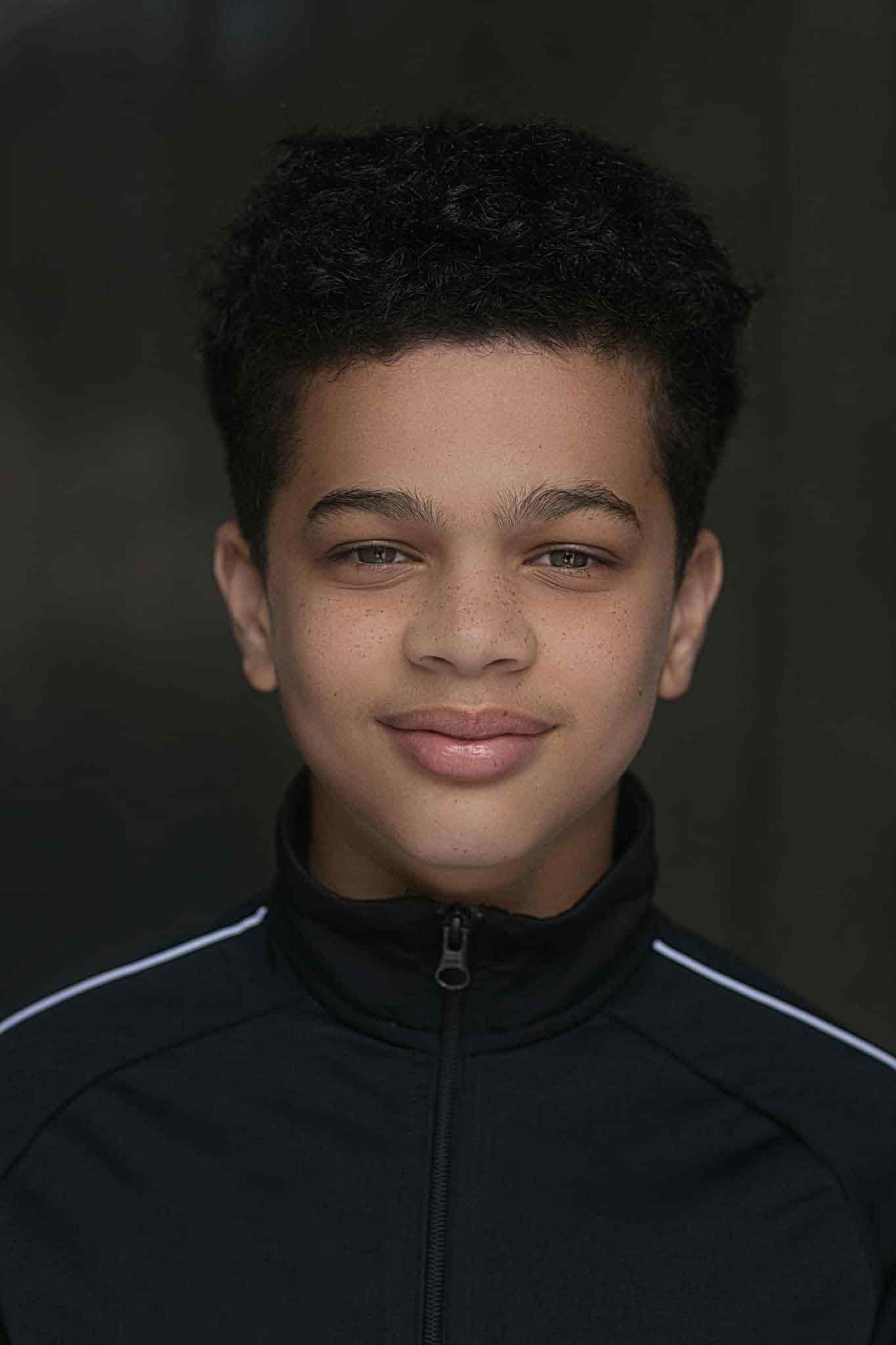
You will always have a main headshot: neutral, honest and easy to cast. That is the one that sits at the top of your Spotlight profile and does the heavy lifting.
But casting does not work in general terms. Breakdowns come in for very specific roles. When one lands, your agent looks through the photos on your profile and picks the one that fits that brief best. A warmer, smiley shot for a supermarket advert. A harder, stiller one for a crime drama. Something smarter for the doctor or the detective sergeant.
My job is to make sure your agent has enough to get you in the door for all of those, not just one. Spotlight suggest four to six varied photos is plenty, so we aim for a tight set where every image earns its place.

The main headshot
Neutral, open and honest. Works for almost any breakdown.

The commercial look
Warm, bright and likeable. Adverts, presenting, friendly roles.

The drama look
Stiller, moodier light. Film, TV and theatre with weight.
One actor, one session, three different jobs for his agent.
Not sure how often to refresh the set once you have it? See how often actors should update their headshots.
5. Directed by someone who acts
Being an actor myself, I use the same toolbox on set that I use in a scene. I know which note will get a lift in the eyes, which will drop your shoulders, and which will pull out the edge a certain role needs. Crafting the set, the light and the thought together is how we get different demeanours out of you, rather than the same face in four different tops.
It is a collaborative thing and it is fun. Most people arrive nervous, and within a few minutes they have forgotten the camera is there and are just playing to see who comes out. There is always a bit of excitement and surprise in that. Some of my favourite frames are ones neither of us planned.
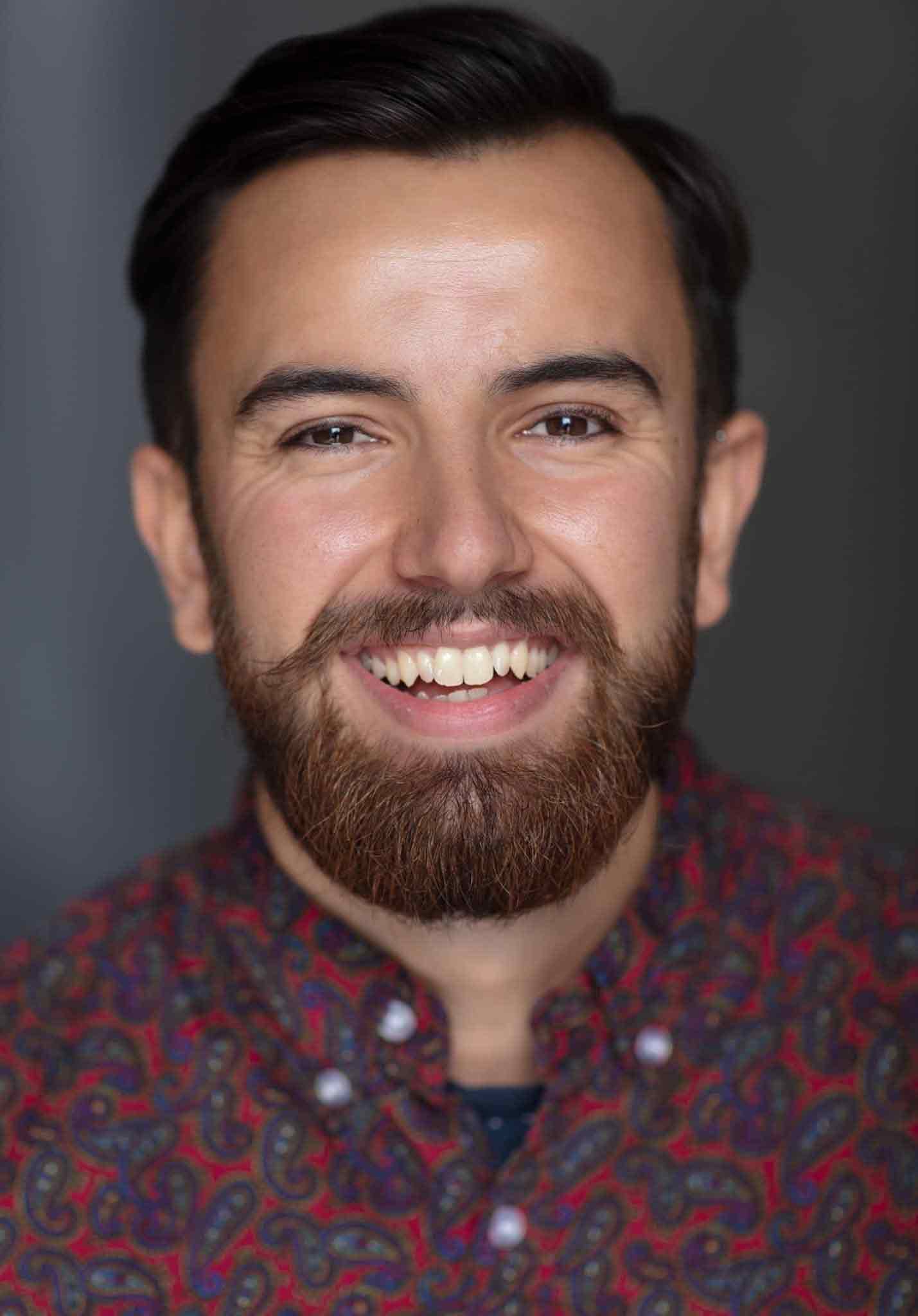
6. After the session
We go through the images and pick the ones that each do a different job. Retouching is kept light, so you still look like you on a good day. Then your set is ready to upload to Spotlight and send to your agent. The exact sizes and upload rules are in my guide to Spotlight headshot requirements.
If your session is coming up, how to prepare for your actor headshot shoot covers the night before, grooming and a full kit list.
Before your session, think about
Your casting
- Three roles you would love to be put forward for
- The last few parts you were seen for
- A few headshots of actors with similar casting
Your looks
- A jacket or layer for each kind of role
- Solid colours that suit you
- Anything your agent has asked for
Questions actors ask
What happens at an actor headshot session?
We start by talking about your casting and the roles you want to be put forward for. Then we shoot a main headshot and build extra looks around different types of role, changing clothes, background, light and angle. I direct you with thoughts to play rather than poses, and you see the shots on the back of the camera as we go.
How many looks should I get from a headshot session?
Aim for a main neutral headshot plus a few looks that each suit a different kind of role, such as a warm commercial shot and a stiller drama shot. Spotlight suggest four to six varied photos on your profile is plenty. In my sessions you can change up to four times.
Do I need to know my casting type before the shoot?
It helps, but you do not need to have it nailed. We talk it through at the start, looking at the roles you want and the roles you are most likely to be seen for, and plan the looks around where those overlap.
I do not know how to pose. Is that a problem?
Not at all. Actors do not need to pose for headshots. I give you a thought, a memory or a situation to play, and the expression comes from that. It reads as far more real than a pose.
Why do actors need different headshots?
When a casting breakdown comes in, your agent picks the photo from your Spotlight profile that best matches that specific role. Having a main headshot plus a few different looks gives them more ways to get you in the room.
Should my headshots look like a character?
No. Every look should still be unmistakably you. We use clothing, light and a thought to suggest a type of role, not to become a character. Casting needs to recognise you when you walk in.
How much is an actor headshot session?
My actor headshot session in Liverpool is £180, and actors in training get a discounted rate. Everything included is on the actor headshots page, and my guide to what actor headshots cost compares prices across the UK.
More guides for actors: How to prepare for your actor headshot shoot · What to wear for actor headshots · Commercial vs theatrical headshots · Spotlight headshot requirements.
Ready for new headshots?
Let’s find out who turns up
Tell me about your casting and the roles you want, and we will build the session around getting you in the door.