
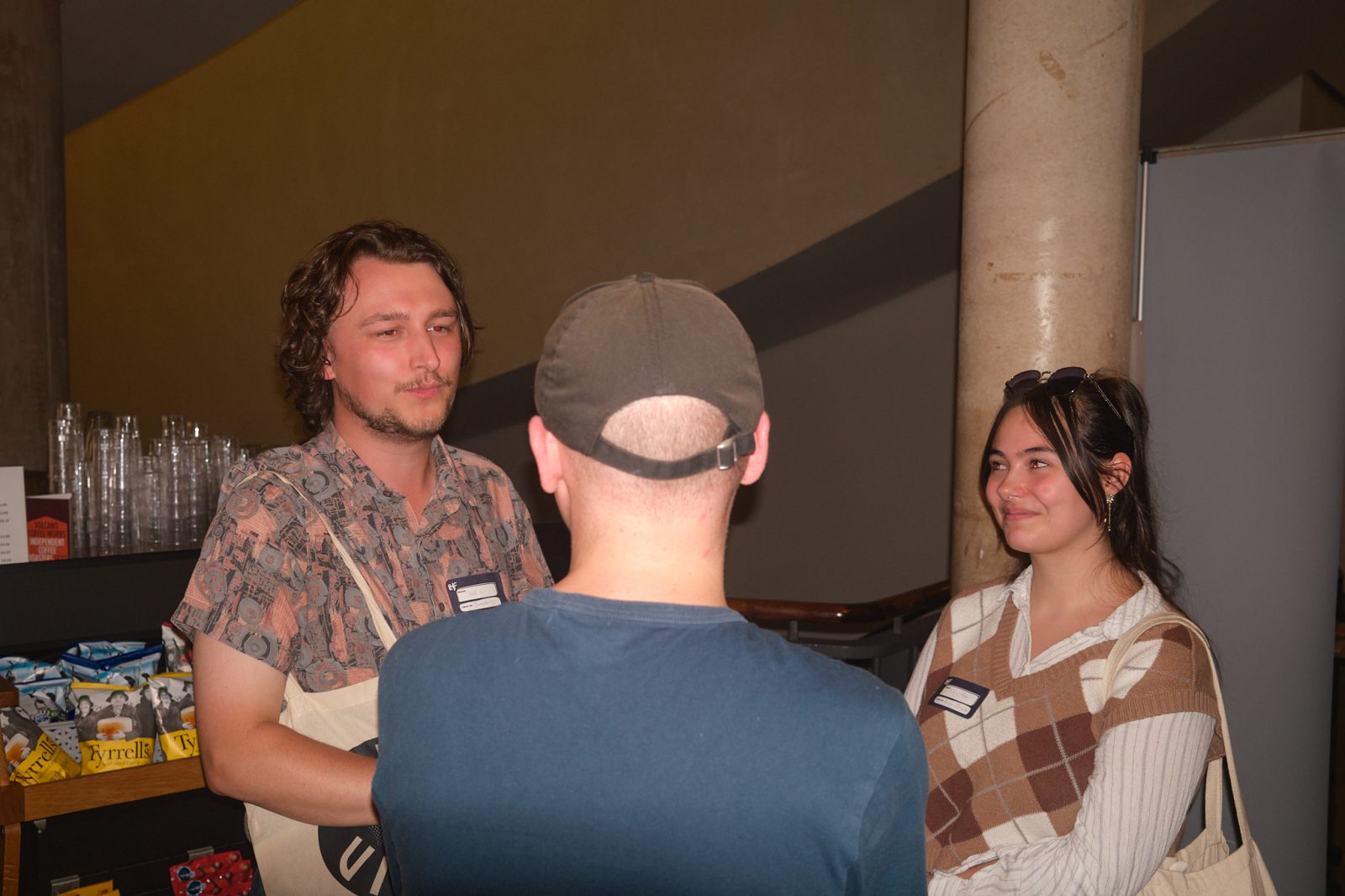
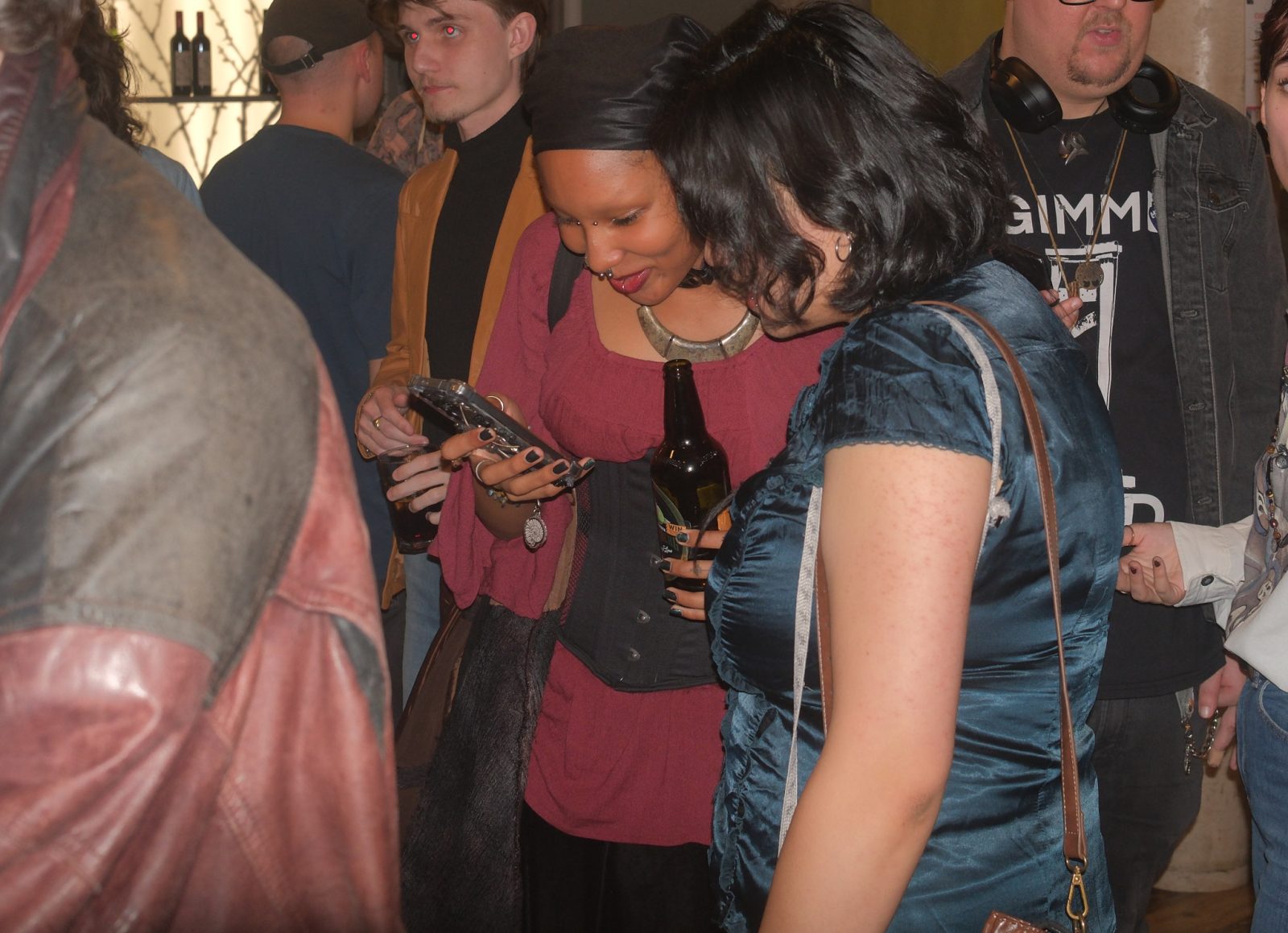
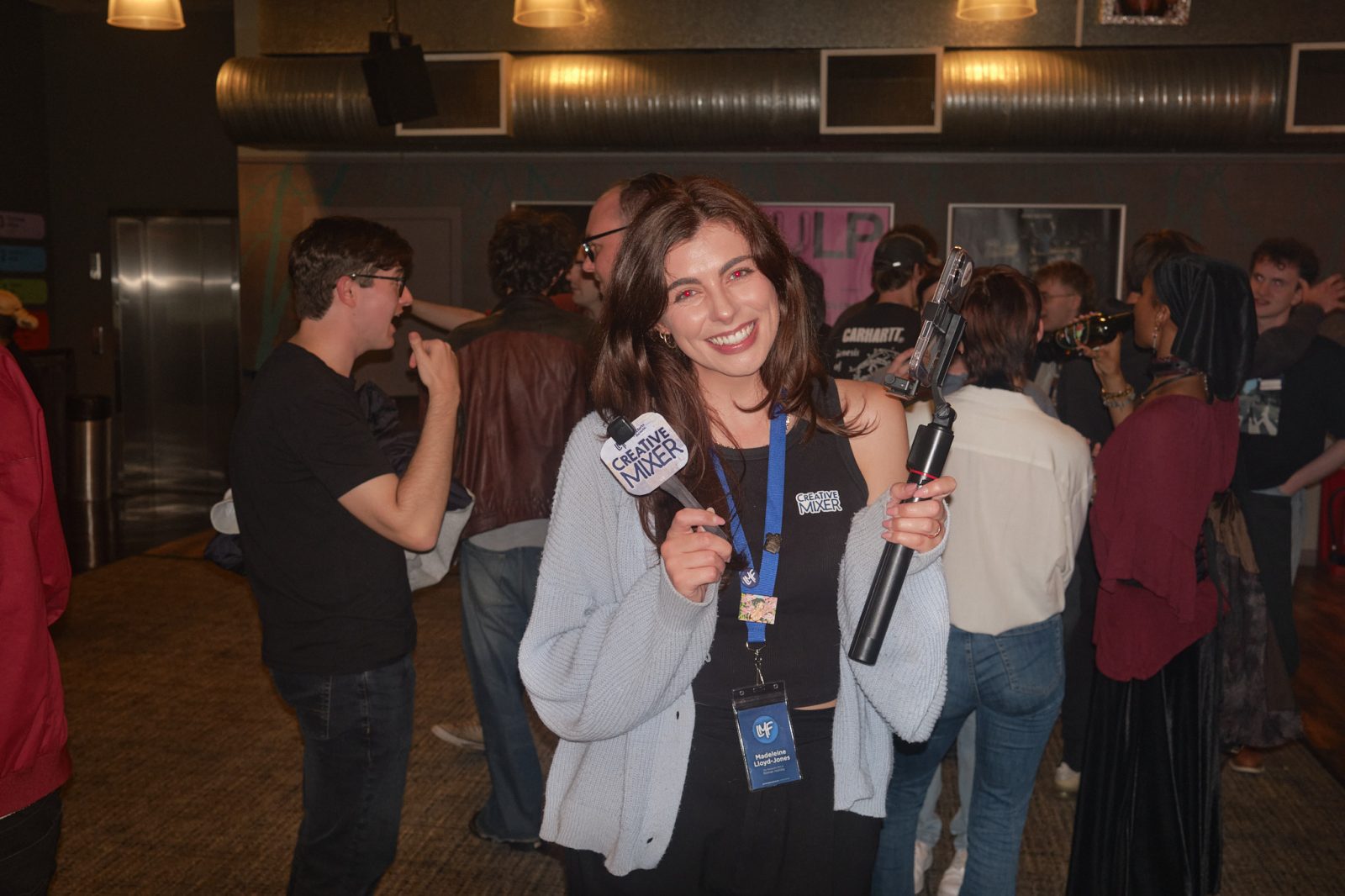
Two questions come up before almost every event I cover. Who owns the photos? And do we need everyone’s permission to take them? Both have fairly simple answers once you know the basics, and sorting them before the day avoids awkward conversations afterwards.
Here is a plain guide to event photography usage rights and photo consent at events in the UK. I am a photographer, not a lawyer, so for anything complicated it is worth checking with a legal adviser.
The short version
- In the UK, the photographer usually owns the copyright unless it is signed over.
- What matters for you is the licence: how you are allowed to use the photos.
- Agree usage in writing before the event, including sponsors and paid ads.
- Tell guests photos are being taken, at registration and at the venue.
- Give people an easy way to opt out, like a coloured lanyard.
Who owns event photos?
Under UK copyright law, the person who takes a photo is usually its first owner, even when they are paid to take it. That surprises people, but it rarely causes problems, because what you actually need is permission to use the photos. That is the licence.
A clear licence tells you where and how you can use the images: your website, social media, press releases, reports, printed materials and paid advertising. Most event clients need broad use for their own marketing, and that is normally included.
Things to agree before the day
Your own use
Website, social, newsletters, reports and PR. Usually included as standard.
Sponsors and partners
Can sponsors, speakers or exhibitors use the photos? Agree it up front.
Paid advertising
Ads and billboards can need extra care, especially with identifiable guests.
Photographer’s use
Can the photographer show the work in their portfolio? Say if the event is confidential.
Photo consent at events
Photos of identifiable people can count as personal data under UK GDPR, so events should be open about photography. For most public facing and business events, clear notice plus an easy opt out is the usual approach, rather than written consent from every guest. Private, sensitive or children’s events need more care.
- At registration: a line explaining photos and video will be taken and how they will be used.
- At the venue: signs at the entrance and registration desk.
- Opt out: a coloured lanyard or sticker for anyone who prefers not to be photographed.
- On the day: a quick mention from the host at the start.


How I handle it on the day
I ask for the opt out system at the briefing and keep an eye out for lanyards all day. If someone asks not to be photographed, I respect it straight away and check the edit afterwards. Photos go to you through a private, password protected gallery, not public social media. My guide on how to brief an event photographer has a full checklist.
Sample notice wording
Example
Photography at this event
Photographs and video will be taken at this event and may be used by [organisation] on our website, social media and marketing materials. If you would prefer not to be photographed, please collect a red lanyard at registration or speak to a member of the team.
Questions event organisers ask
Who owns the copyright to event photos in the UK?
Usually the photographer, unless copyright is formally assigned in writing. The client receives a licence setting out how the photos can be used.
Can we use event photos for advertising?
Usually yes if it is agreed in the licence, but paid advertising featuring identifiable guests needs extra care. Agree it with your photographer before the event.
Do we need consent from everyone photographed at an event?
For most business events, clear notice at registration and the venue plus an easy opt out is the usual approach. Children’s or sensitive events need more care.
What is a photo opt out lanyard?
A coloured lanyard or sticker that guests can wear to show they would prefer not to be photographed. The photographer avoids them and checks the edit.
More event guides: questions to ask before booking, same day event photos and event photographer costs.
Event coming up?
Let’s sort the details before the day
Event photography and video across Liverpool, with usage and consent agreed up front.