

An electronic press kit, or EPK, is the one link you send when someone asks “have you got anything I can look at?”. Promoters use it to decide whether to book you. Journalists and bloggers use it to write about you. Playlist curators, radio producers and venues use it to work out who you are in under a minute.
Most EPKs fail for the same reasons: out of date, missing the one thing someone needed, or photos too small to use. I shoot music photography and video in Liverpool, and I have seen what gets used and what gets ignored. This is what should go in yours.
The short version
- A bio in three lengths. One line, around 150 words, and a longer version.
- Music links plus a private download for anything unreleased.
- Press photos in landscape and portrait, high resolution, credited.
- Video, live dates, press quotes and contacts.
- One link, mobile friendly, and updated every release.
1. Who reads your EPK, and what they want
Promoters and venues
Can you pull a crowd, and do you fit the night? Live footage, past shows and your local following. If your live photos are thin, read my gig photography tips before your next show.
Press and bloggers
A story and a usable photo. Your bio, quotes and high resolution press shots with a credit.
Curators and radio
The track, fast. A streaming link, a private download and one line on why this song, now.
Brands and bookers
What you look like, who listens and how to reach you. Photos, stats and a clear contact.
Everyone is busy, and nobody reads an EPK from top to bottom. Build it so each of these people can find their bit in seconds.
2. What goes in: the full list
| Section | What to include |
|---|---|
| Bio | Three versions: a one line elevator pitch, a standard bio of around 150 words, and a longer two paragraph version. Written in the third person so press can lift it. |
| Music | Streaming links to your best two or three tracks, plus a private download link (WAV and MP3) for anything unreleased. |
| Press photos | Four to eight shots, landscape and portrait, in high resolution for print and web versions for sites. Photographer credit in the file name or caption. |
| Video | Your best music video, a live session, and a short live clip that shows the crowd. |
| Live | Upcoming dates, notable past shows and support slots. |
| Press and highlights | Short quotes, radio plays, playlist adds, awards. The best three, not all thirty. |
| Artwork and logo | Current cover art and a logo on a transparent background. |
| Contacts | Management, booking and press, each with a name and email. |
| Tech rider (optional) | Line up, stage plot and input list, for promoters and sound engineers. |
3. The photos do the heavy lifting
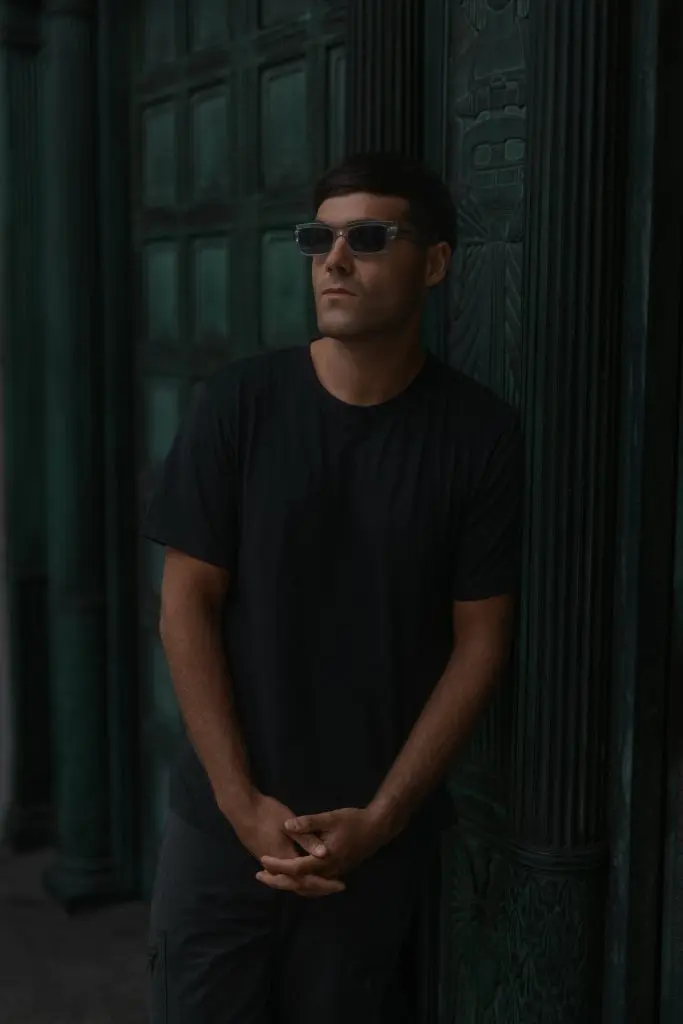
If a journalist or promoter cannot find a photo that fits their layout, you do not get the feature or the poster. It is that simple. The kit needs variety, not just more of the same shot.
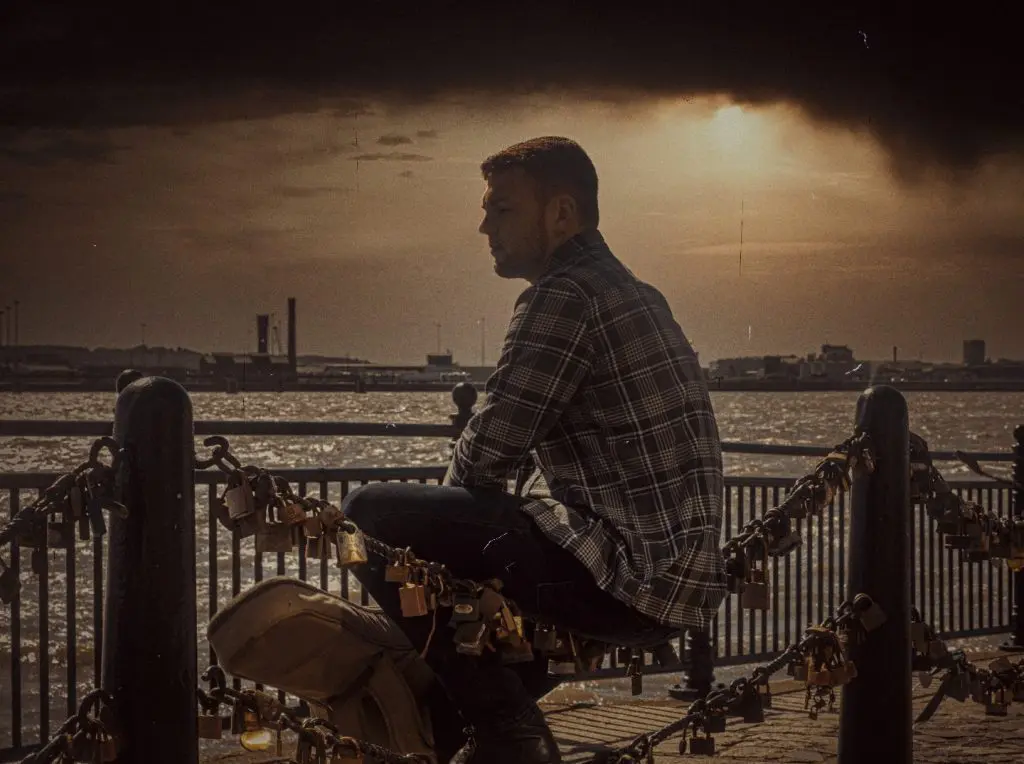
Landscape
Blog headers, press features, event pages.
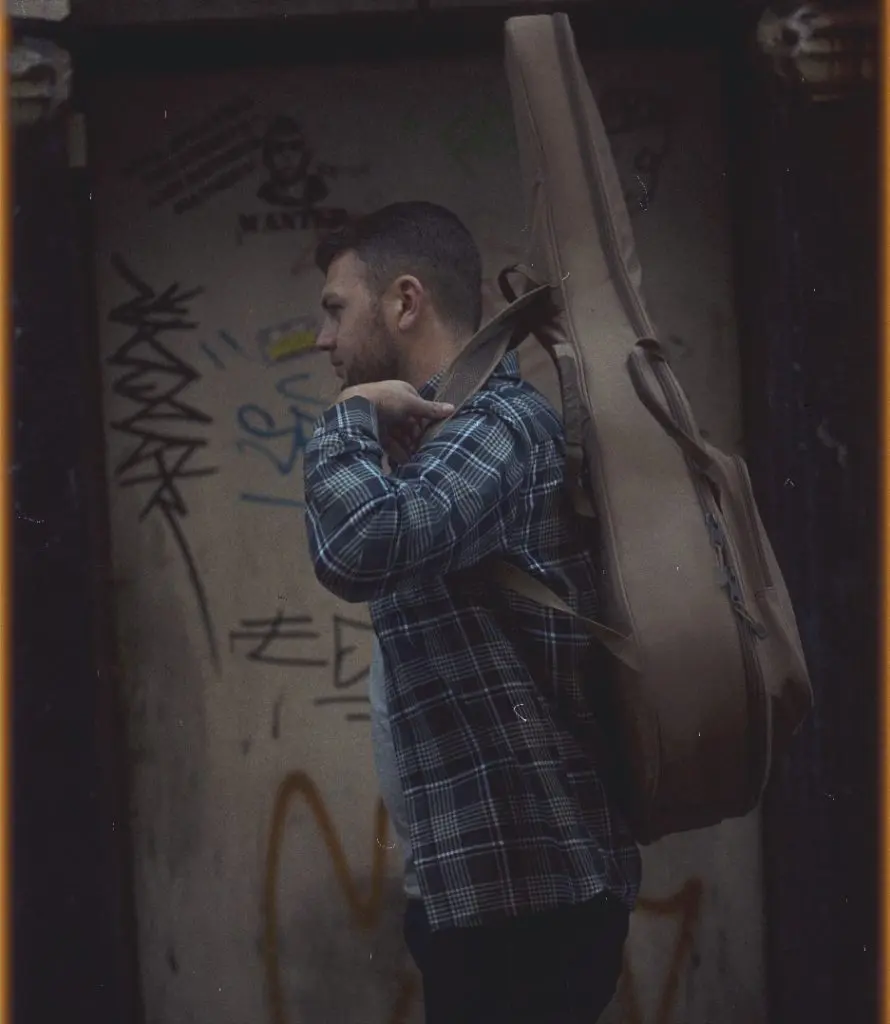
Portrait
Posters, flyers, magazine pages.
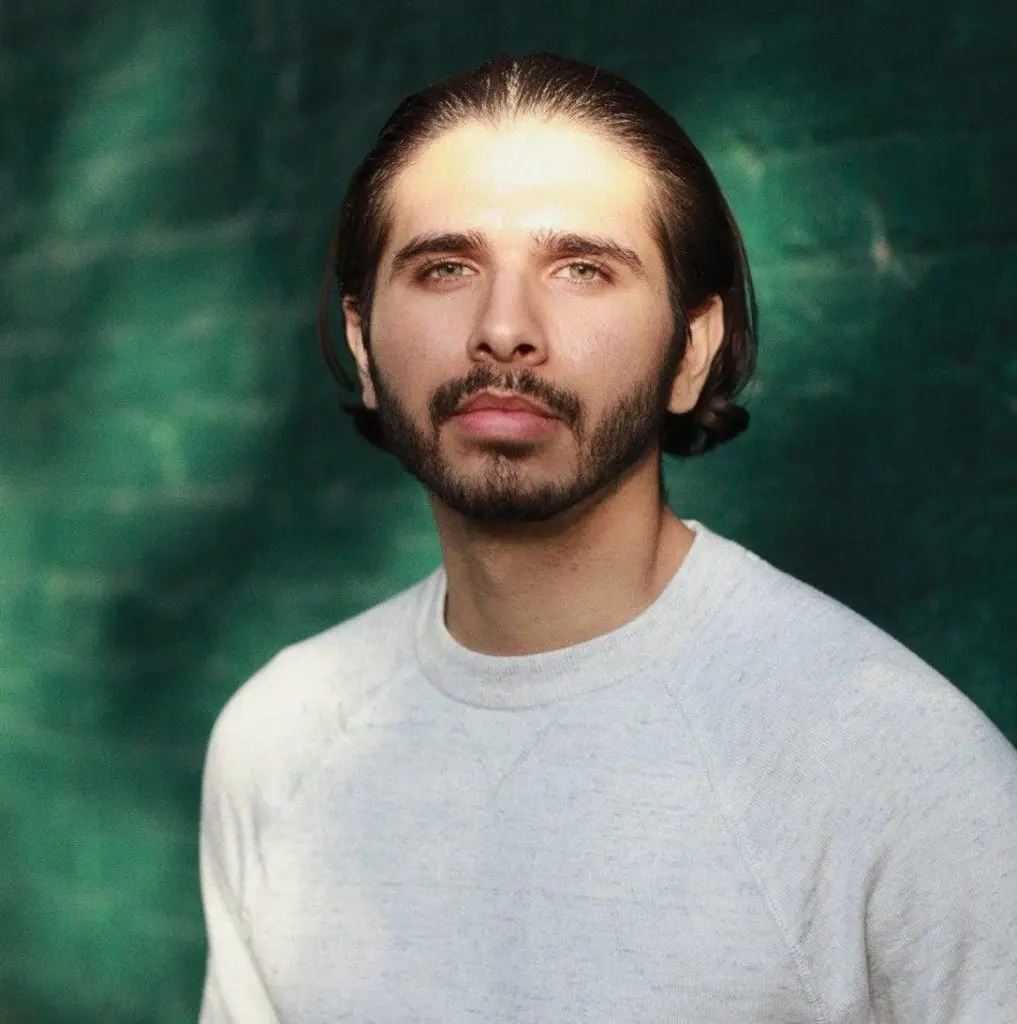
Square
Listings, playlists, social tiles.
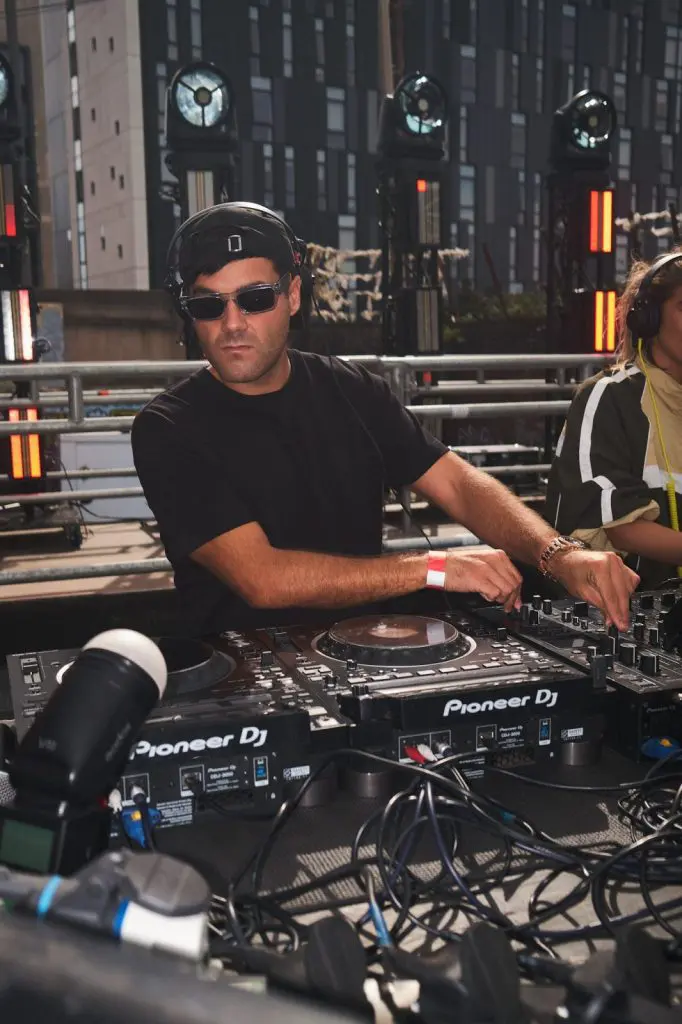
Live
Proof you play out and people turn up.
Leave space around yourself in at least one landscape shot, so designers can add text without cutting you off. And please, no text or logos baked into the press photos themselves. My guide to press photos for musicians goes through every shot in detail.
4. Web page, PDF or link?
A web page on your own site is the best option. One link, always up to date, easy to open on a phone, and it helps people find you on Google.
A PDF is fine as a backup for people who want a file, but it goes out of date the day you send it, and large ones get stuck in inboxes.
A cloud folder is great for the downloads: high resolution photos, WAVs, logos and your rider. Link to it from the page, and name files clearly, like “ArtistName_Press_Landscape_PhotoCredit.jpg”.
5. Tailor the top, keep the rest
You do not need a different EPK for everyone, but you should change what sits at the top. Pitching a festival? Lead with live footage and your biggest shows. Pitching a blog? Lead with the story and the new single. A short personal email with the EPK link below it will always do better than the link on its own.
6. Mistakes that get you skipped
- Out of date. Old photos, old stats, last year’s single. Update it every release.
- Low resolution photos. A 600 pixel image cannot go on a poster.
- No contact. It happens more than you would think.
- Too much. Thirty press quotes and a 1,000 word bio are a wall, not a pitch.
- Poor recordings. Only include tracks you would be happy to be judged on.
- Not proofread. A typo in your own name looks worse than you think.
Questions artists ask
What should be in a musician’s EPK?
A short bio in three lengths, links to your music, high resolution press photos, video, live dates, press highlights, artwork and logos, contact details and, optionally, a tech rider.
How long should an EPK bio be?
Have three: a one line pitch, a standard bio of around 150 words, and a longer two paragraph version for features.
How many press photos should an EPK have?
Four to eight, covering landscape, portrait, square and a live shot, in high resolution with the photographer credited.
Should my EPK be a PDF or a web page?
A web page is best because it stays up to date and opens easily on a phone. Keep a PDF as a backup and a cloud folder for downloads.
Can you shoot everything I need for an EPK in one day?
Yes. Press shots, portraits, a square cover option and short vertical clips can all come from one planned shoot. Tell me about the release and I will build the day around it.
More guides for musicians: Press photos for musicians · Planning content for a music release · Spotify artist image sizes.
EPK looking thin?
Let’s shoot your press kit
Press shots in every shape, portraits, cover options and video, all from one planned shoot in Liverpool.