
Every actor hits the same loop early on. You need footage to get work, and you need work to get footage. The good news is that there are more ways out of that loop than ever, and one well made scene can do more for you than a reel full of background parts.
I film showreel scenes in Liverpool, and I act too, so I know how frustrating that gap feels. Here are the real options for getting showreel scenes when you have nothing yet, and how to make whatever you shoot actually useful.
The short version
- One strong scene that shows your casting beats five weak clips.
- Student films, short films and showcases are great, but footage can take months to arrive.
- A bespoke showreel scene gives you control of script, look and timing.
- Choose material that fits the roles you would actually be cast in.
- Pick a scene partner who makes you look good, not one who steals the scene.
Where showreel footage usually comes from
Student and short films
Free, good experience and sometimes brilliant. The catch: quality varies and you may wait a long time for the edit.
Drama school and showcase work
Useful if it was filmed well. Stage footage rarely works on a screen reel unless it is shot close.
Self tapes
A strong self tape can sit on Spotlight as a clip. It shows you, but not a world around you.
Bespoke showreel scenes
A scene written or chosen for your casting, shot and edited to look like a real production.
Most actors end up mixing these. The trick is knowing what each piece is for. A student film proves you have worked on a set. A bespoke scene proves you can hold the screen in exactly the kind of role you want to be cast in.
Choosing the right scene
The single biggest mistake I see is choosing material for the actor you wish you were, rather than the one casting will hire this year. If you play warm, grounded 20 somethings, a scene where you play a cold crime boss will confuse people. Save the stretch for the room.
- Match your casting. Think about the shows and parts you are realistically being seen for.
- Keep it short. Two to three minutes of script usually edits into 60 to 90 seconds of strong screen time.
- Give yourself something to do. A want, a turn, a moment of listening. Reaction shots are gold.
- Avoid famous scenes. Casting will compare you to the original. Original or lesser known writing is safer.
Duologue or monologue?
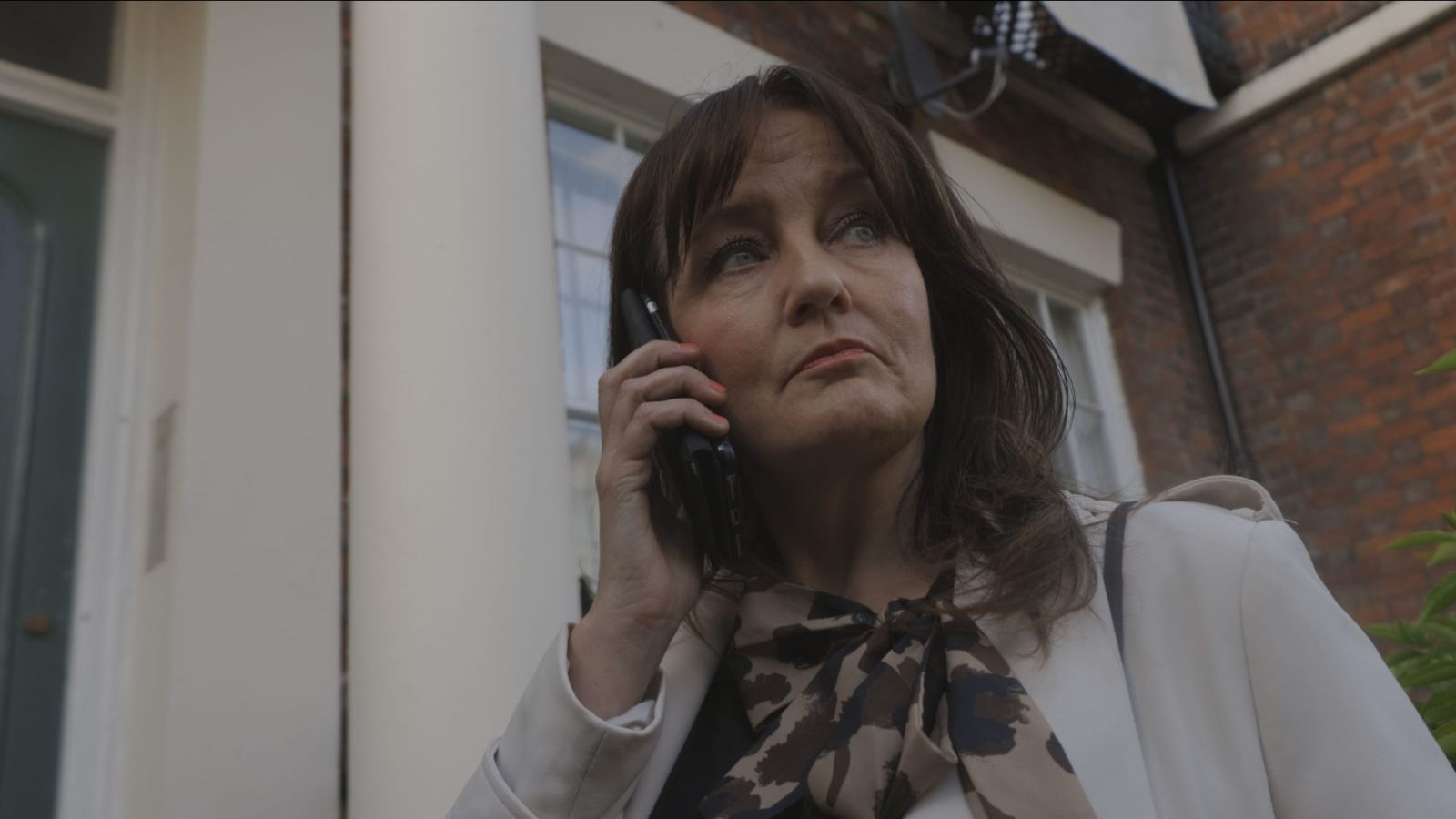
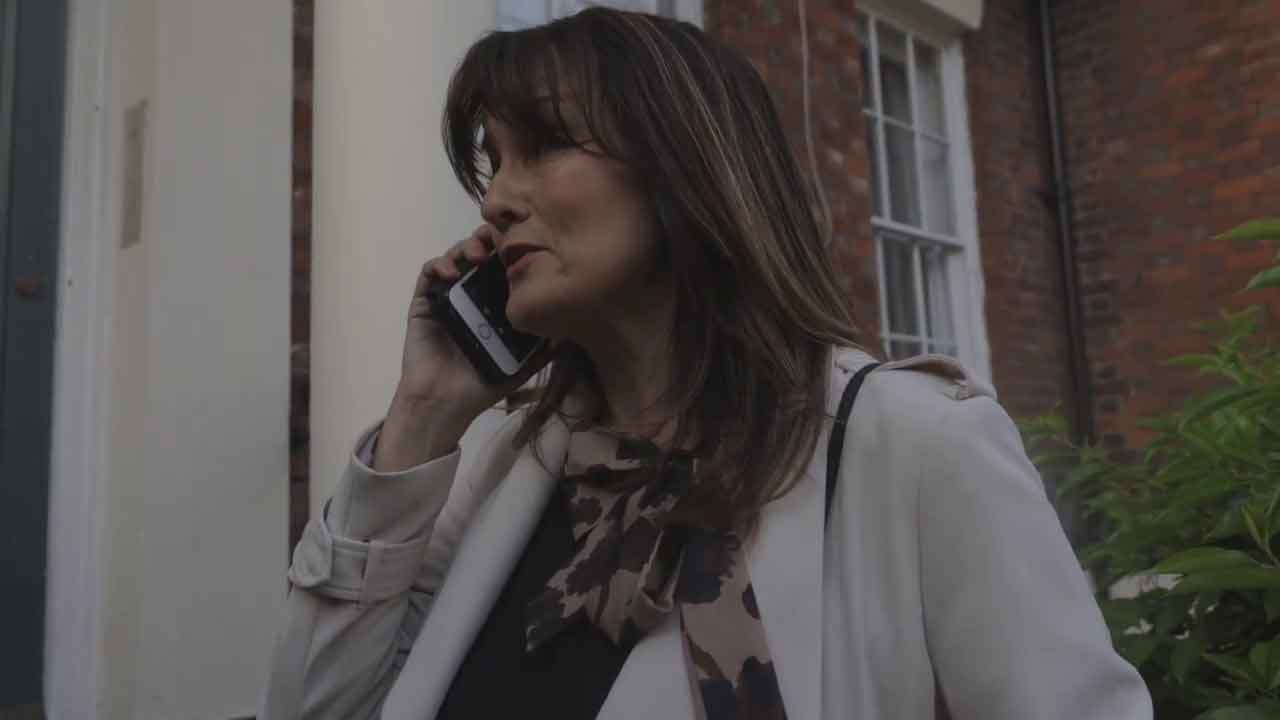
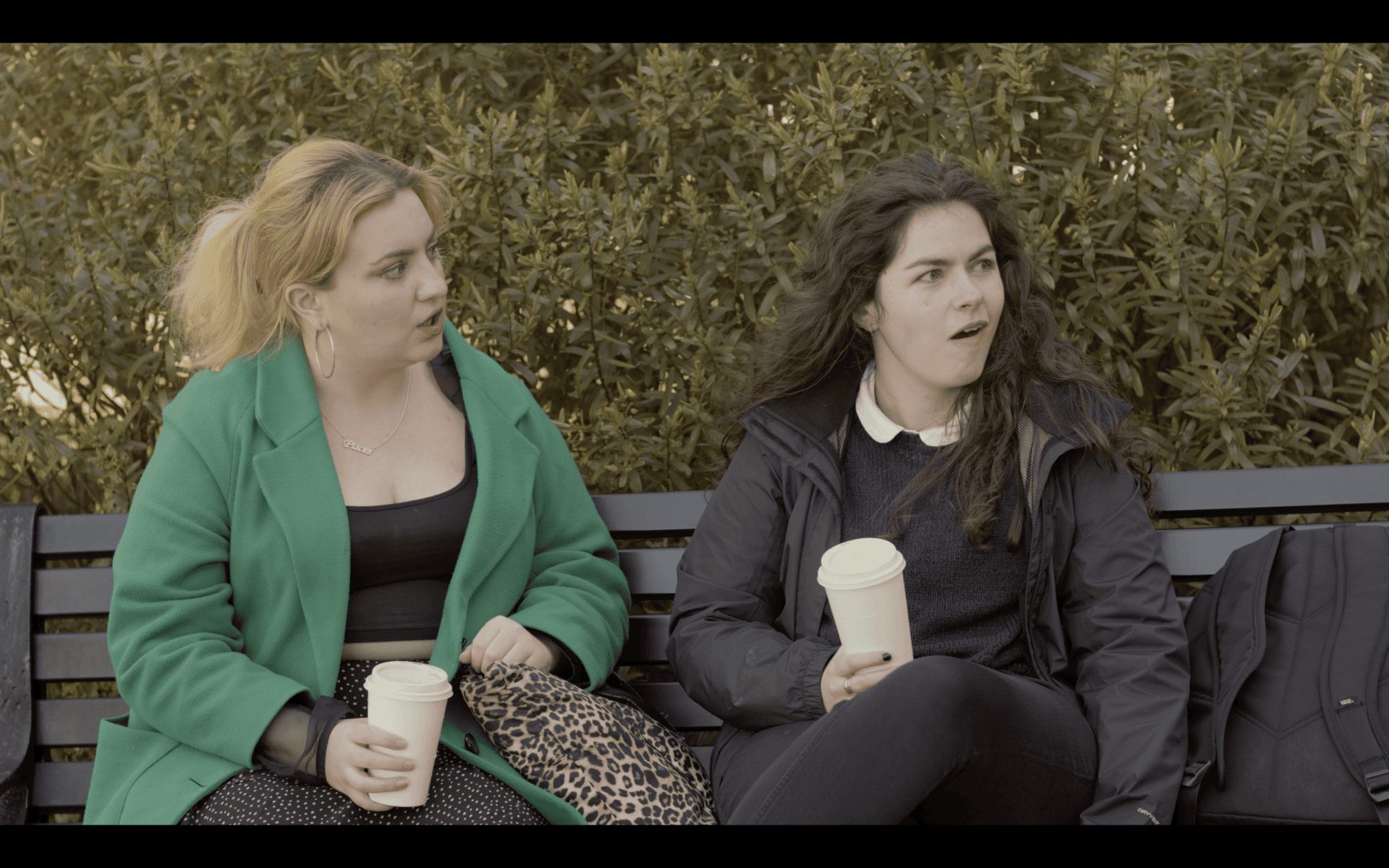
Monologues are simpler to shoot and let you be the whole focus, but they can feel theatrical on screen. Duologues look more like real TV and film, because you are listening and reacting to someone. If you can, a short duologue with a good scene partner is usually the stronger showreel piece. I shoot both, and my monologue scene below shows how a single actor piece can still feel cinematic when it is framed and lit properly.
What a filmed scene should include
If you are paying for showreel scenes, make sure you know what you are getting. Mine include help choosing or shaping the script, direction on the day from someone who acts, cinematic lighting and sound, and a finished edit ready for Spotlight and your agent. Showreel scenes are typically £150 to £300 depending on the scene, and I talk through the options on my actor showreels page.
Whoever you shoot with, ask to see finished examples, check the sound (bad audio kills a reel faster than anything), and agree when you will receive the edit.
Then build the reel
Once you have one or two good scenes, put your strongest moment first and keep the whole reel short. My guides on showreel length and making a showreel with no credits take it from there.
Before you book a scene
Your material
- Fits the roles you are actually seen for
- Two to three pages at most
- Not a famous scene
The shoot
- Examples with good sound
- A scene partner who can act
- A clear delivery date
Questions actors ask about showreel scenes
How do I get showreel footage with no credits?
Student and short films, showcase footage and self tapes all help, but a bespoke showreel scene is the fastest way to get footage that matches your casting and looks like real screen work.
How long should a showreel scene be?
A scene of around 60 to 90 seconds on screen is ideal. That usually comes from two to three pages of script.
Should I use a monologue or a duologue for my showreel?
Duologues usually look more like real TV and film because they show you listening and reacting. A monologue can still work well if it is shot close and lit properly.
How much do showreel scenes cost?
It depends on the scene, locations and edit. My showreel scenes in Liverpool are typically £150 to £300, including direction and a finished edit.
More guides for actors: what casting directors want from a showreel, self tape slates and how to get an acting agent.
Ready to fill that gap?
Let’s shoot the scene your reel is missing
Scenes chosen for your casting, directed by an actor and filmed in Liverpool.