
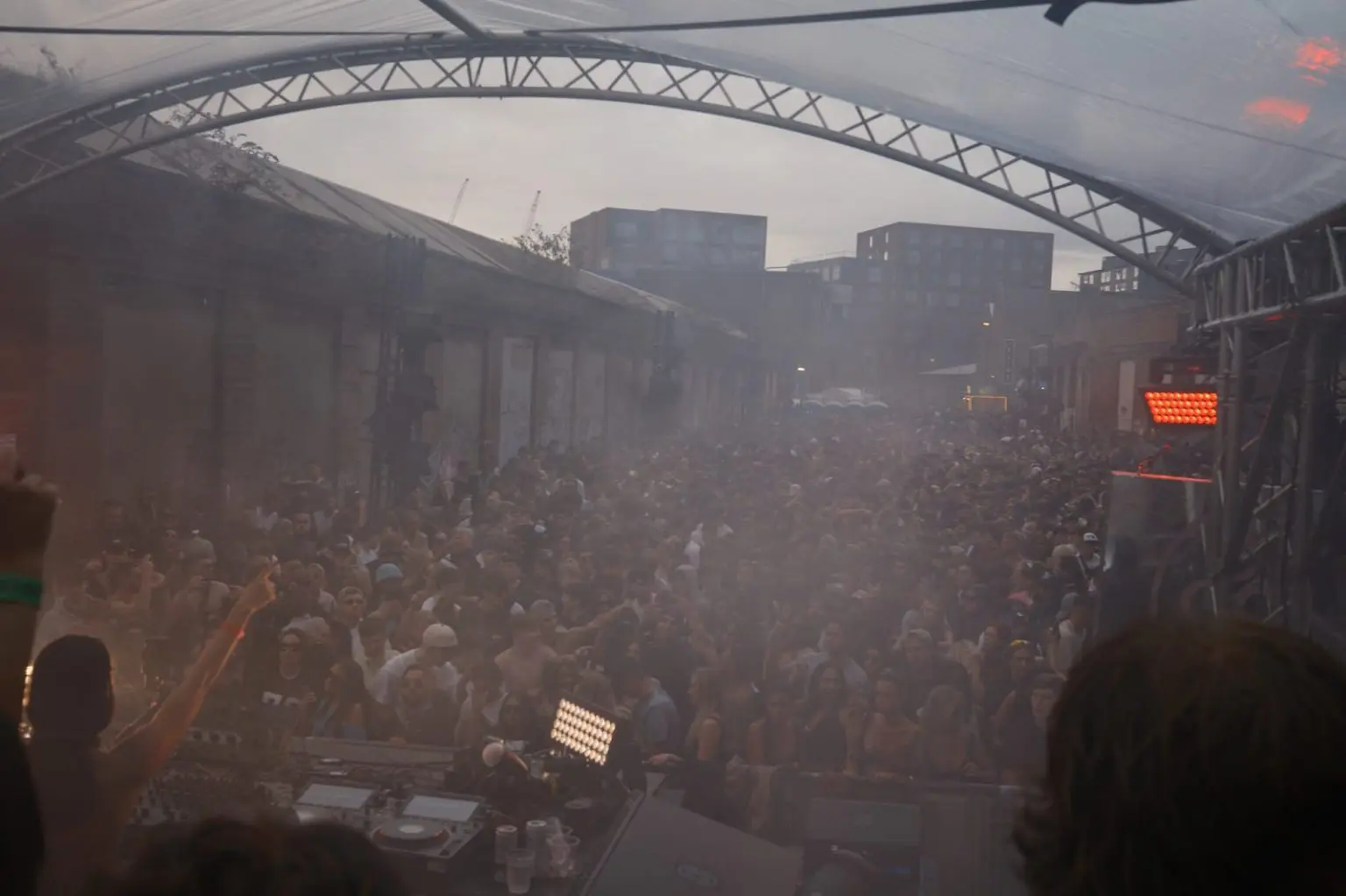
Live photos are some of the most useful images an artist can have. They prove you play out, they show promoters you can pull a crowd, and they fill your feed between releases. But gig photos are also the easiest to get wrong: red light, blurred faces, a mic stand across your nose and a drummer nobody can see.
Most of what makes gig photos great is decided before the photographer lifts the camera. This guide is written for artists and bands rather than photographers. It covers what you can do on the night to get better shots, from the live music photography I shoot around Liverpool.
The short version
- Ask for white or warm light on faces, and keep the colours behind you.
- Avoid an all red wash. Cameras lose detail in red light.
- Clear the stage of bottles, bags and clutter, and light the drummer.
- Tell your photographer the big moments in the set.
- Post within 48 hours and tag the venue and promoter.
1. Light is everything
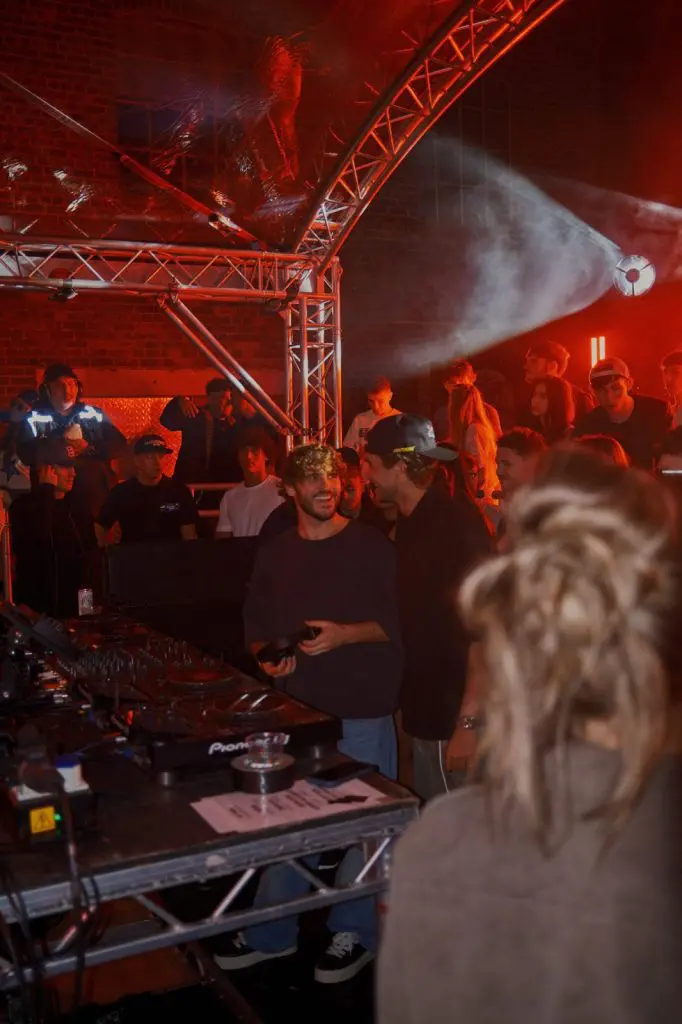
Small venue lighting is often a wash of red or deep blue. It looks great to the eye, but digital cameras struggle with it, especially red. Faces turn into flat blobs, detail vanishes and photographers end up converting everything to black and white to rescue it.
A quick word with the lighting tech before doors can change the night:
- White or warm light on faces. Even one front light on the singer makes a huge difference.
- Colour behind you. Strong colours, strobes and fairy lights look brilliant in the background.
- A bit of haze. It makes light beams visible and adds instant atmosphere.
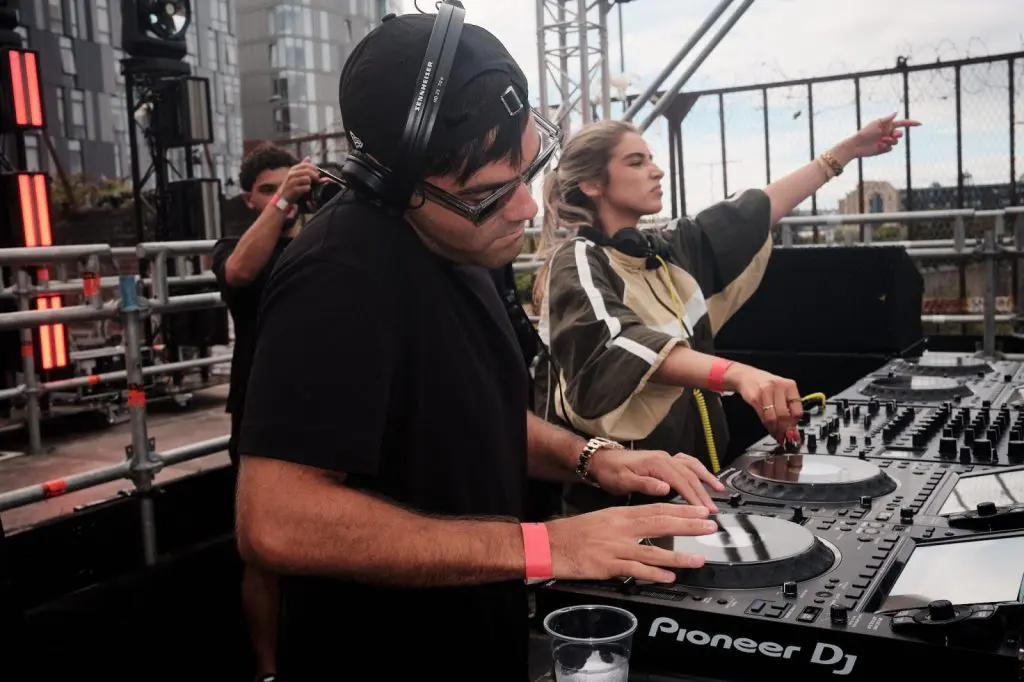
- Light everyone. Drummers and keyboard players often sit in the dark. Ask for a light on them too.
2. Set the stage for photos
Clear the clutter. Water bottles, bags, towels, coats and taped setlists all show up. Move them behind amps or off stage.
Mind the mic stand. Set it slightly lower or to the side, so it does not cut across your face in every shot.
Use the front of the stage. Stepping forward to the edge for a chorus gives the photographer a clean, close, well lit moment.
Branding. A banner or backdrop with your name makes live shots instantly recognisable and helps promoters reuse them.
3. Brief your photographer
Photographers at big venues often only get the first three songs. At your own gig, you can do better. Tell your photographer where the big moments are: the singalong, the drop, the jump, the song where the crowd always goes. The best frames of the night are usually later in the set, when the energy peaks.
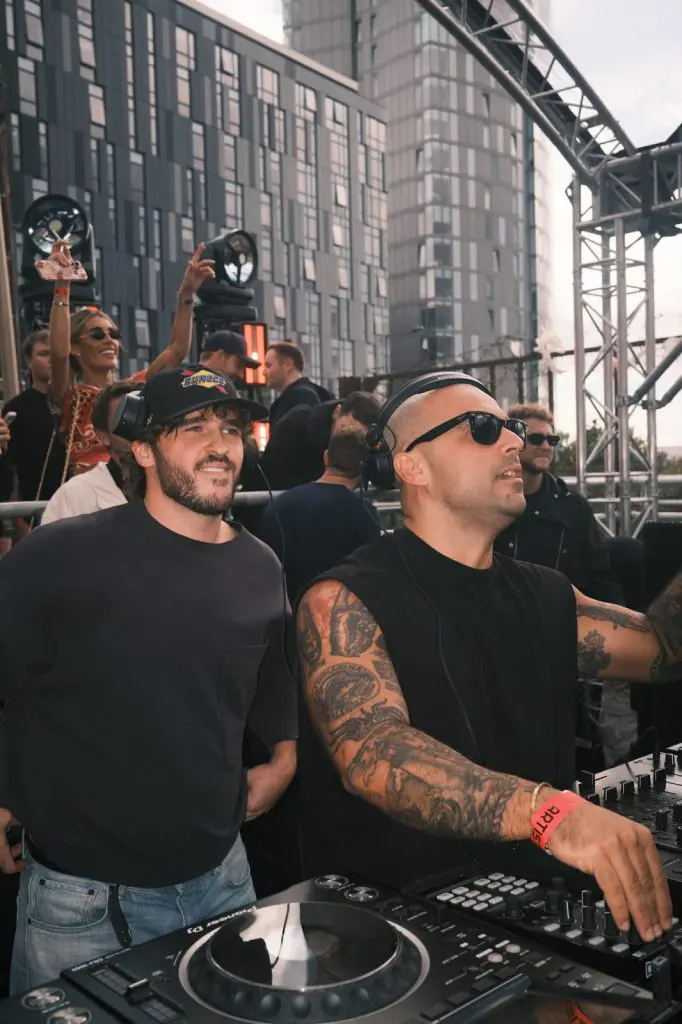
You, performing
Close, sharp, mid moment.
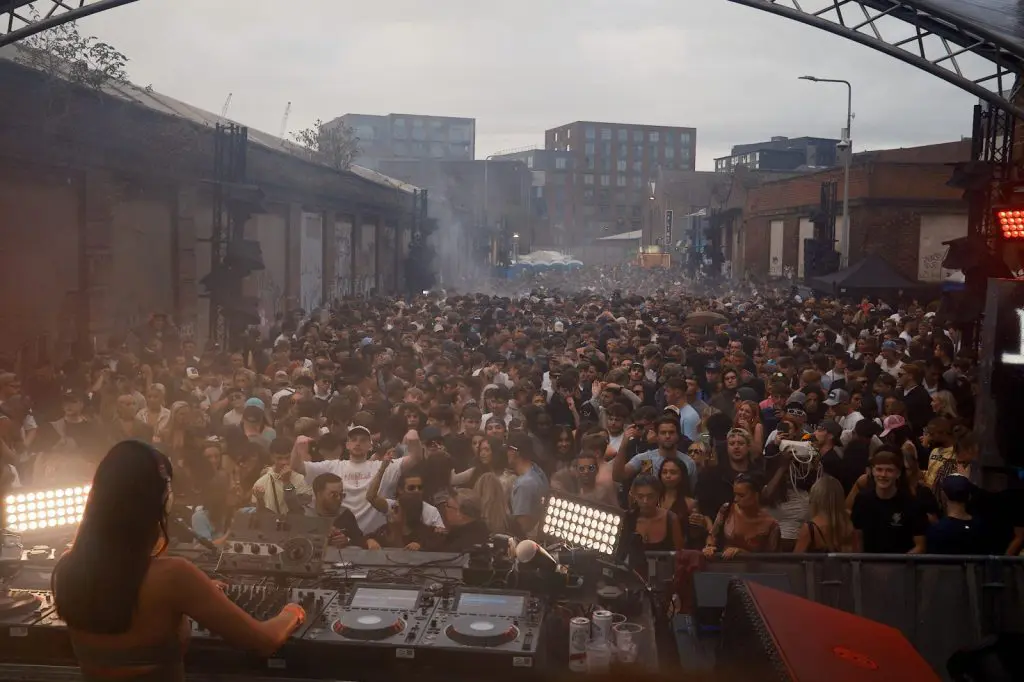
The crowd
From behind you, looking out.
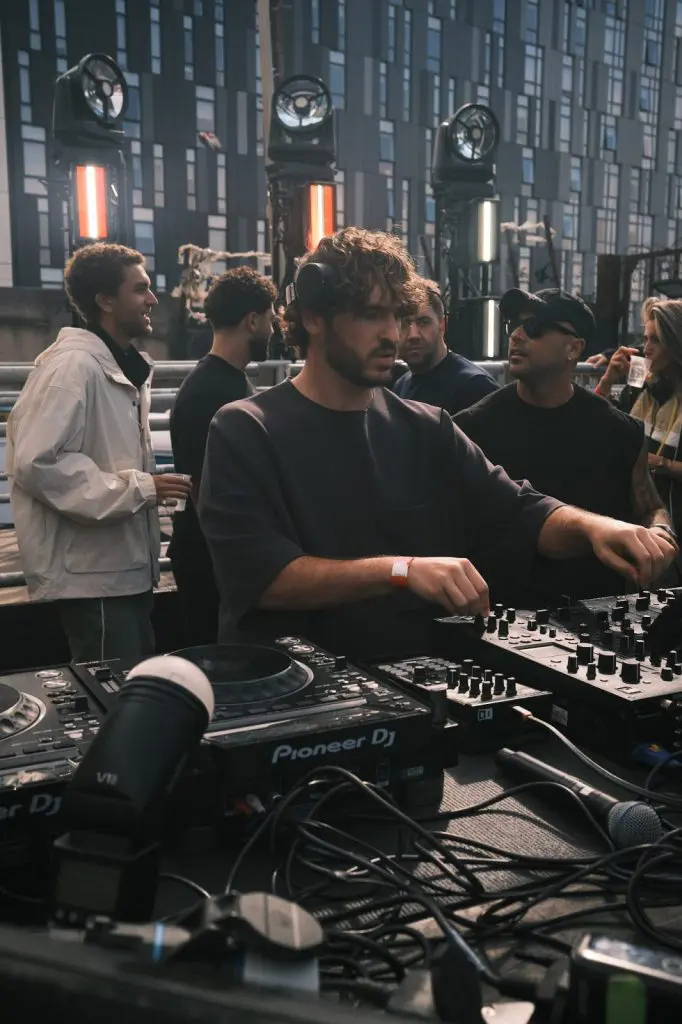
The details
Hands, decks, strings, sweat.
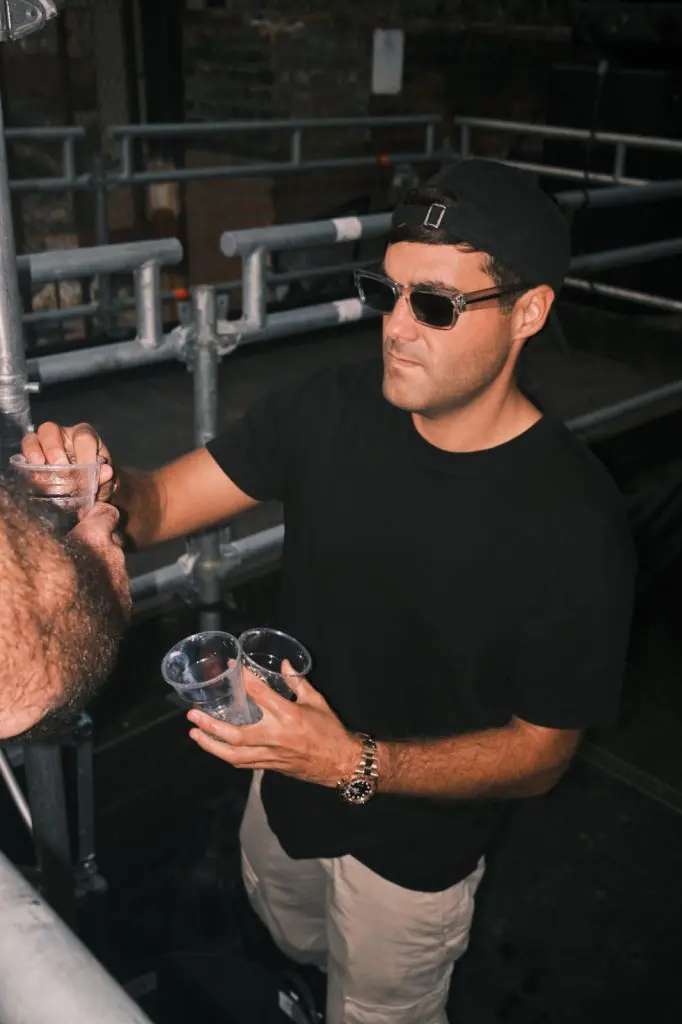
Behind the scenes
Backstage, soundcheck, the walk on.
The gig shot list
On stage
- Each member performing, sharp and well lit
- The whole band in one wide frame
- A shot from behind the band looking out at the crowd
- The big moment of the set
Around it
- Soundcheck and backstage
- The crowd arriving and singing along
- Your name on the poster or screen
- Merch table and fans with merch
4. Use soundcheck
Soundcheck is the secret weapon. The room is empty, the light can be set up for photos, and you are relaxed. A few minutes here gives you clean performance portraits and behind the scenes shots, without the pressure of the show.
5. Get more from the crowd
A packed room makes you look like a headliner. Ask people to come right to the front before your first song. A shot from the stage over your shoulder, with the crowd in front of you, is the single best image for promoters because it proves you draw people.
6. Use them fast
Gig photos are hottest in the 48 hours after the show, while people are still talking about it. Post a handful the next day, tag the venue, promoter and other acts, and send the best to the promoter for their socials. Save the rest for your EPK and future announcements. Live shots are one of the key parts of an electronic press kit.
7. Photos and video on the same night
If you can, film it too. A few short live clips give you vertical content for weeks, and a full song filmed properly can become a live session video. Planning photo and video together means one person, one brief and a matching look.
Questions artists ask
Why do my gig photos look red and blurry?
Small venues often use red or deep blue washes, and cameras struggle with red light. Ask the lighting tech for white or warm front light on faces and keep colour in the background.
When is the best time for a photographer to shoot my gig?
Soundcheck for clean portraits, plus the whole set if you can. The biggest moments usually come later in the set.
What shots should I ask my gig photographer for?
Each member performing, the whole band, a shot from behind you looking at the crowd, the big moment of the set, backstage and soundcheck.
How soon should I post gig photos?
Within 48 hours, while people are still talking about the show. Tag the venue, promoter and other acts.
Do you photograph gigs and DJ sets in Liverpool?
Yes, photos and video. I have shot DJs and live events across the city, including open air events in the Baltic Triangle.
More guides for musicians: Press photos for musicians · What to put in an EPK · How to make a music video on a budget.
Got a show coming up?
Let’s capture it properly
Live photos and short video from the night, delivered fast so you can post while it is still fresh.