
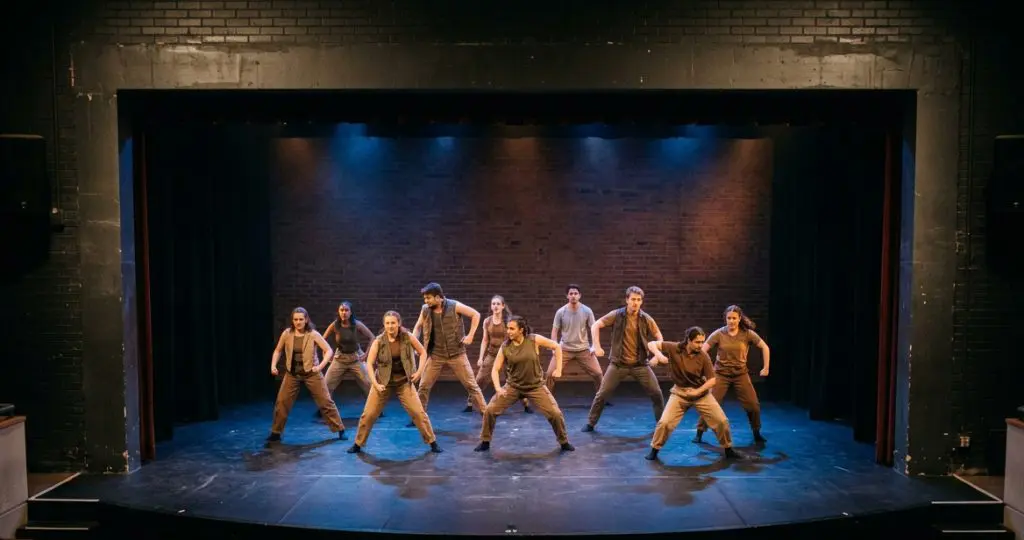
On show night, every dance school wants the same thing: every child seen, every family happy, and no awkward conversations afterwards about who was filmed and where the video went. Photos and video of pupils are part of the magic of a show, but they are also personal data, and parents rightly care about how they are used.
Here is a plain English guide to photographing and filming children at dance shows in the UK, based on what the Information Commissioner’s Office says, and how I handle it when I film and photograph dance shows in Liverpool. It is practical guidance, not legal advice, so check anything specific with your own adviser.
The short version
- Parents filming for the family album is not covered by data protection law.
- Your school’s official photos and film are, so tell families up front how they will be used.
- Offer a clear opt out, especially for anything used to promote the school.
- Keep the consent list and share it with your photographer before the show.
- Deliver privately: a password protected gallery, nothing public without permission.
1. What the ICO says
The ICO’s advice on taking photographs at school events is the clearest starting point for dance schools too. The key points:
- Personal use is not covered. People can take photos and video for their own personal use, such as a family album, without data protection law applying.
- Be transparent. Tell families up front what photos and video will be taken, and how they will be used, ideally at the start of the year and again before the show.
- Offer an opt out. Give families the chance to say no, particularly for promotional use.
- Get permission before publishing. Before a child’s photo goes on your website, social media or a flyer, make sure the family has had the chance to opt out.
- Act on objections. If a family objects later, remove the digital copies.
Read the full advice here: ICO: taking photographs, data protection advice for schools.
2. Can parents film the show?
Data protection law does not stop parents filming their own child for personal use. But you can still set your own house rules for other reasons, such as a phone light distracting the dancers, a blocked view, or simply wanting the audience to watch the show rather than their screens.
Whatever you allow is fine by me. If you would rather your audience watched instead of filming, an official film is usually the easiest way to make that stick, because families know they will get a proper copy anyway.
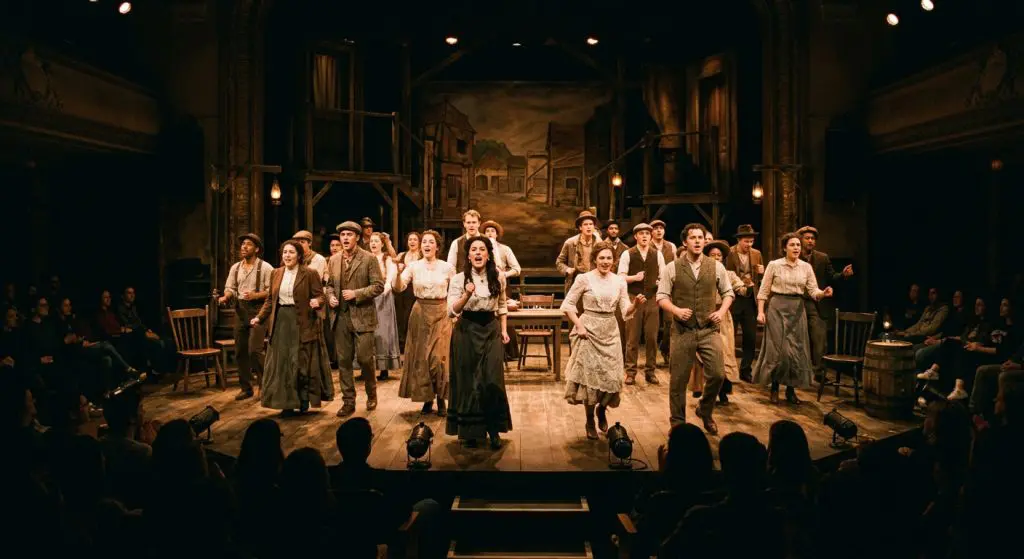
3. Your official photos and film
When your school books a photographer or videographer, the photos and film are taken on your behalf, so they need handling with care. A simple approach that works well:
A written policy
A short photo and video policy in your welcome pack or terms, explaining what is filmed and why.
A reminder before the show
A note to families before show night, repeating how the film and photos will be shared.
A clear opt out
An easy way to say no, especially to promotional use on your website and socials.
A consent list
One up to date list of opt outs, shared with your photographer before the day.
4. How I handle consent on show night
I work to your own policy, whether that is the school’s, the company’s or the venue’s, and you hold the consent list. Tell me what needs to be in place and who has opted out before the day, and it is sorted in advance rather than in a corridor on the night.
- Opted out pupils are kept out of the edit and out of anything that is ever seen publicly.
- Delivery is private: a password protected gallery, and you decide who gets the password.
- Nothing goes public on social media, my website or a showreel without written permission from the school.
5. Sharing the film and photos safely
How the film reaches families matters as much as how it is shot:
- Use a private link, not a public YouTube video or an open Facebook post.
- Password protect it, and send the password only to your families.
- Avoid full names on titles, chapters and file names.
- Choose promotional images carefully, only from families who have not opted out.
- Keep it tidy: decide how long the gallery stays live, then take it down.
Your consent checklist
Before the season
- Photo and video policy in your terms or welcome pack
- A clear opt out, especially for promotional use
- One up to date consent list
Before the show
- Reminder sent to families about filming and photos
- Consent list shared with your photographer, marked by routine
- House rules on audience filming agreed and announced
- Private, password protected delivery arranged
Questions dance schools ask
Is it legal to photograph children at a dance show?
Yes. Parents can photograph and film their own children for personal use, which data protection law does not cover. For your school’s official photos and film, tell families up front how they will be used and offer an opt out, especially for promotional use.
Can parents film the dance show?
Data protection law does not stop parents filming for personal use. You can still set house rules for other reasons, such as distraction to the dancers or blocked views.
Do we need consent to post show photos on social media?
Before a child’s photo is used on your website, social media or marketing, families should have had a clear chance to opt out. Only use images of pupils whose families have not opted out.
What happens with children whose families have not given consent?
You hold the consent list and share it with me before the show. Anyone opted out is kept out of the edit and out of anything that is ever seen publicly.
How should we share the show film with parents?
Through a private, password protected link that only your families receive, rather than a public video. Avoid full names on titles and file names.
More guides for dance schools: How much does it cost to film a dance show? · Music licences for dance show videos · How to get your dance show filmed.
Planning your show?
Let’s get consent, filming and delivery sorted early
Tell me the date, the venue and how your school handles consent, and I will build the filming and delivery around it.