
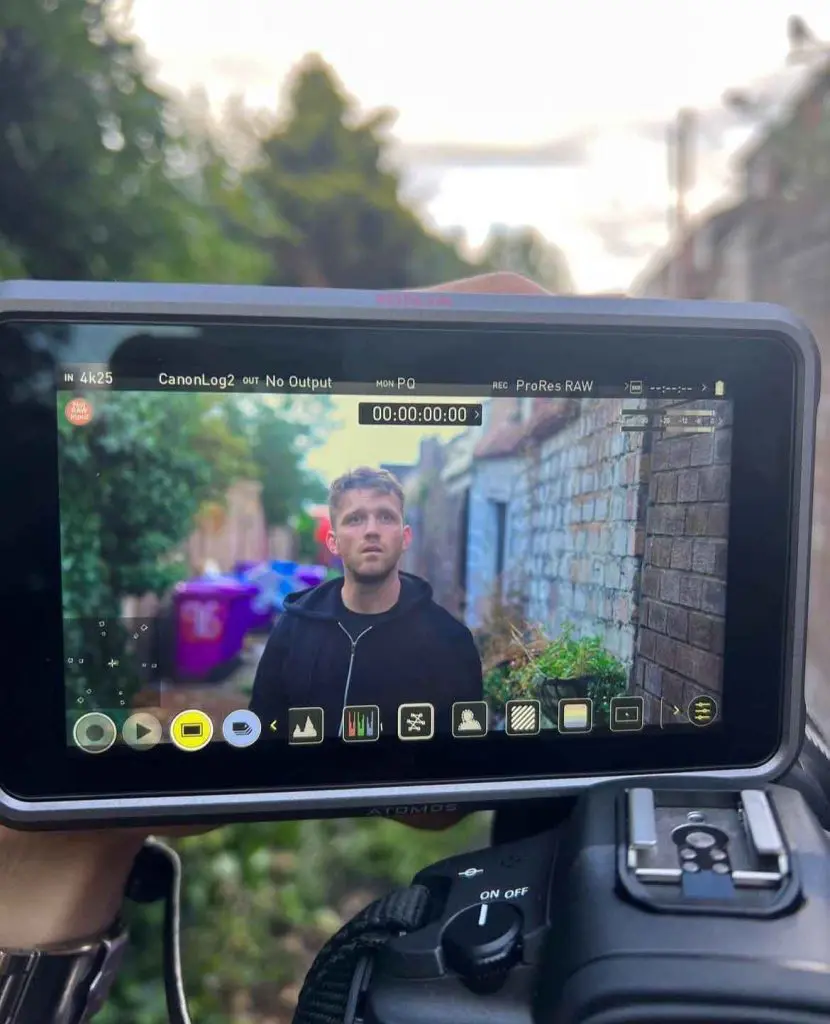

A great testimonial video is one of the most persuasive things a business can put on its website. A real customer, in their own words, saying why they chose you and what changed. The trouble is that most testimonials sound like a script being read out, and viewers can tell in seconds.
The fix is not a better script. It is better questions and a relaxed person answering them. As a working actor as well as a filmmaker, I know exactly how it feels when a camera makes you freeze, and helping people forget it is there is a big part of what I do when I film business video in Liverpool. Here are twelve questions that work, and how to get honest answers to them.
The short version
- Never send a script. Send the topics, not the answers.
- Ask about before, the turning point and after. That is the story viewers want.
- Ask for examples, not adjectives. “What happened?” beats “Was it good?”
- Relax people first. The best answers come ten minutes in, not in the first take.
- Plan the edit before you film, so one interview becomes several clips.
1. Why most testimonials sound fake
Three things make a testimonial feel staged: a customer reading lines someone else wrote, questions that invite one word answers, and a nervous person trying to perform rather than talk. The result is a string of adjectives like “amazing” and “professional” with nothing behind them.
Real testimonials work the other way round. The customer tells a short story in their own words, with a specific detail or two, and the praise comes through the story rather than being announced.
2. Twelve testimonial video questions that work
Ask them in this order. It follows the story viewers want to hear: what life was like before, what made them choose you, and what changed.
Before
Tell me a little about yourself and what you do.
Before
What was going on before you found us? What was the problem?
Before
What had you already tried, and why did it not work?
Before
Did you have any doubts about getting in touch?
Turning point
What made you choose us in the end?
Turning point
What was it like working together? Is there a moment that stands out?
Turning point
Was anything different from what you expected?
After
What has changed since? Can you give me an example?
After
How did your team or customers react?
After
What would you say to someone in the position you were in?
After
If you had to describe us to a friend in one sentence, what would you say?
Anything else
Is there anything I have not asked that you would like to say?
Question four is the one people skip, and it is often the most persuasive. A customer admitting they nearly did not get in touch speaks straight to the viewer who is hesitating right now.
3. How to get natural answers
- Ask them to include the question in the answer. “What made you choose us?” becomes “What made me choose them was…” so the clip makes sense without the question.
- Ask for a story. “Tell me about the day you…” gets far more than “Was it good?”
- Follow up with “what did that mean for you?” It turns a fact into a feeling.
- Stay quiet after an answer. People often add the best line in the pause.
- Ask the important questions twice, later on, when they are more relaxed.

4. Putting a nervous customer at ease
Most people are not used to cameras, and that is fine. This is where my acting background helps most, because I have been the nervous one on the other side of the lens. A few things make a huge difference:
- Chat before the camera rolls. Five minutes of normal conversation is worth more than any lighting.
- Talk to me, not the lens. A conversation feels natural. Addressing a camera does not.
- Say there are no wrong answers. Mistakes get cut, and they can always go again.
- Keep the room small. The fewer people watching, the more relaxed the answers.
- Film where they are comfortable, at their place of work or somewhere familiar.
5. Filming it properly
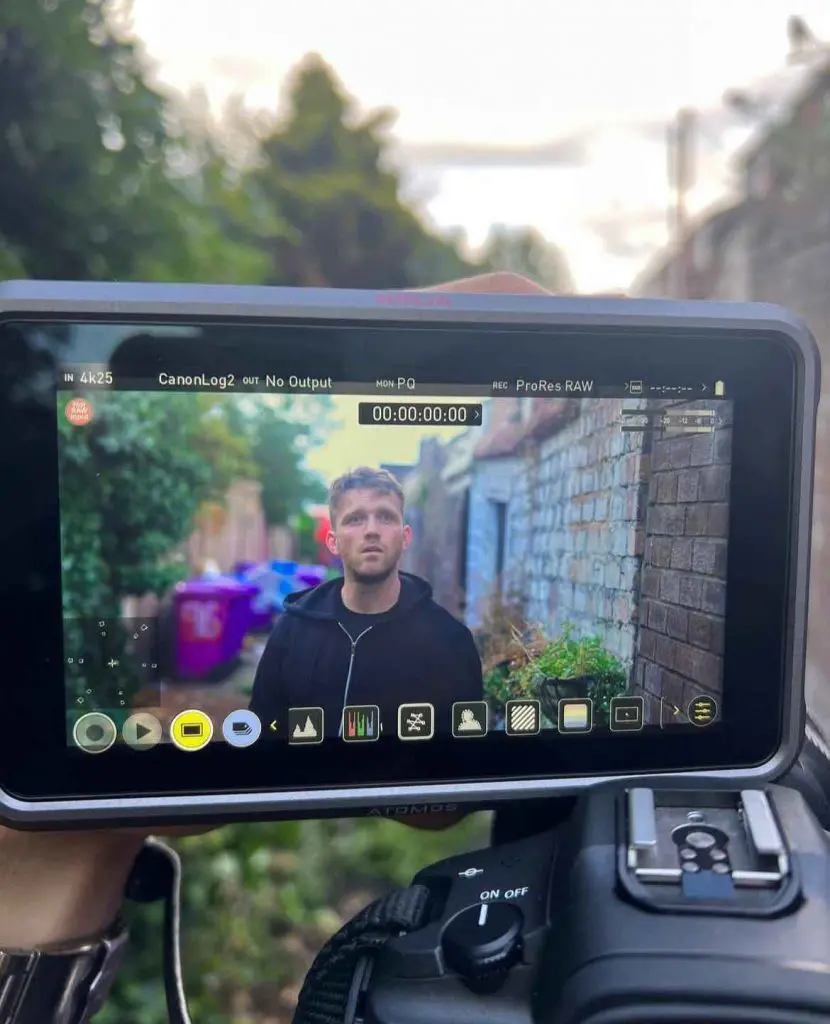
A testimonial is mostly one person talking, so the basics matter. Clean sound from a proper microphone, a quiet room, soft flattering light, and a background that tells the story, such as their shop, office or workshop. Then add supporting footage: the customer at work, your team with them, the product or result in use. That footage is what turns a talking head into a film.

6. One interview, several videos
Plan the edit before you film and a single interview can give you:
- A main testimonial film of one to two minutes for your website
- Short vertical clips for Reels, TikTok and LinkedIn, each built around one strong answer
- Quote cards and a portrait for your website and proposals
- A sales clip answering the objection your prospects raise most often
My guide on how to plan a promo video has more on planning, and video ideas for small businesses shows where testimonials fit alongside other content.
Testimonial video checklist
Before the day
- Customer agreed and briefed on topics, not a script
- Location chosen where they feel comfortable
- Questions ordered: before, turning point, after
- Consent to use the film on your channels
On the day
- Chat before the camera rolls
- Quiet room and a proper microphone
- Supporting footage of the customer and the result
- A portrait for your website and proposals
Questions businesses ask
What questions should I ask in a testimonial video?
Ask about before, the turning point and after: what was going on before they found you, what made them choose you, what it was like working together and what has changed since. Always ask for specific examples rather than general praise.
Should I give customers a script for a testimonial?
No. Scripts sound read out. Send the topics you will cover so they can think about their answers, and let them talk in their own words on the day.
How long should a testimonial video be?
A main testimonial film usually works best at one to two minutes, with shorter vertical clips of around 15 to 45 seconds for social media, each built around one strong answer.
How do I make a customer comfortable on camera?
Chat before filming, have them talk to the interviewer rather than the lens, keep the room small, film somewhere familiar and reassure them that mistakes simply get cut.
Can one testimonial interview make several videos?
Yes. With some planning, one interview can give you a main film, several vertical clips, quote cards and a portrait, all from the same visit.
More guides for businesses: How much does a business video cost? · What to include in a recruitment video.
Got happy customers?
Let’s turn their story into your best sales tool
Tell me who you would like to feature and where the film will live, and I will come back with a plan and a clear quote.