
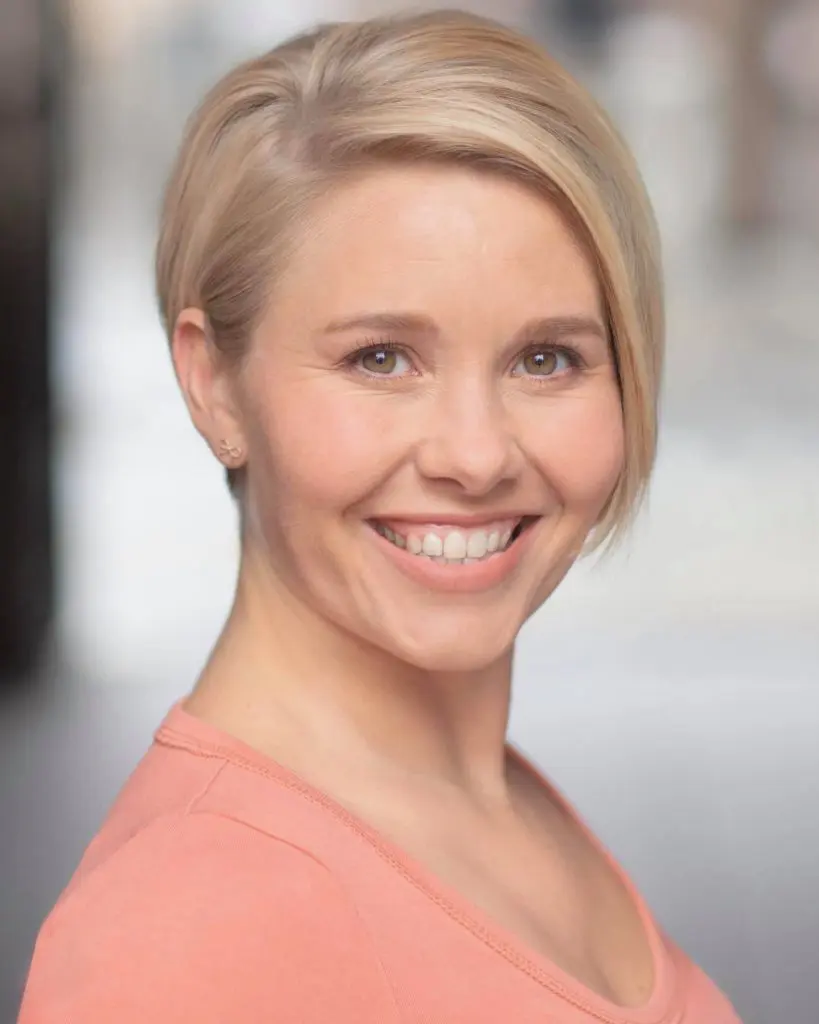
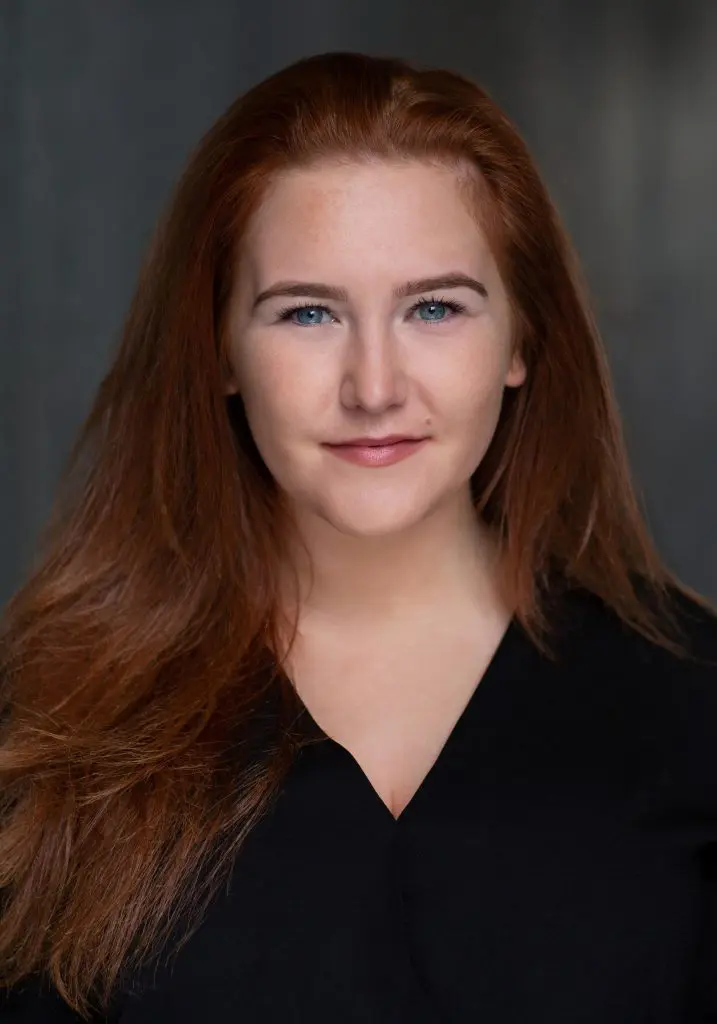
Ask ten actors what the difference is between a commercial and a theatrical headshot and you will get ten answers. The terms come from the US, where the split is formal. In the UK nobody stamps a label on your photo, but agents and casting directors absolutely read the difference, and they will often ask for “a commercial one and a straight one”.
As an actor myself, I have been sent up for a crisp advert and a gritty drama in the same week. The photo that gets you one will not always get you the other. Here is how the two differ, whether you need both, and how I get them in a single actor headshot session in Liverpool.
The short version
- Commercial. Bright, warm, open. The person you would trust to sell you something.
- Theatrical. Stiller, deeper, a thought behind the eyes. For film, TV and stage drama.
- In the UK you will usually be asked for both types, just not by those names.
- One session can cover both with a change of top, light and energy.
- Lead on Spotlight with whichever matches the work you are put up for most.
1. What a commercial headshot is
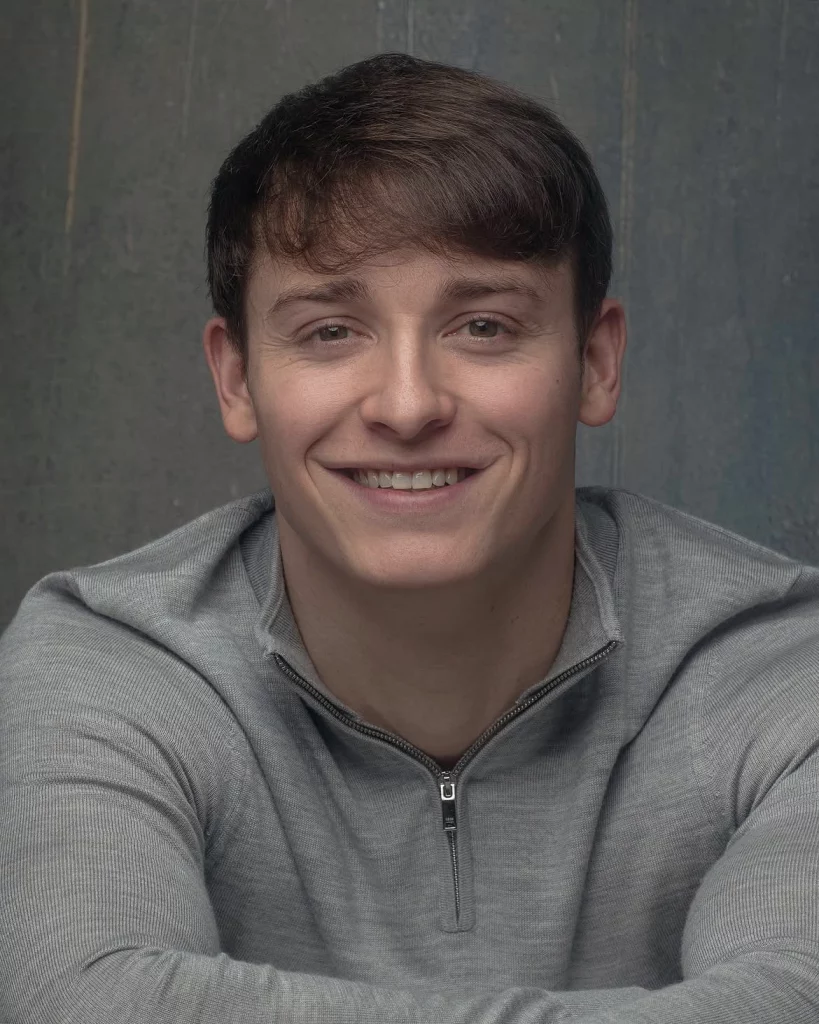
A commercial headshot is made for adverts, presenting, corporate films, voice and on camera promos, and the friendly roles in TV. The brief is simple: would a brand put this face next to their product?
The light is brighter and more even. The expression is warm, often with a real smile that reaches the eyes. Clothes can carry a bit of soft colour. You look like someone the audience already likes.
The trap is the forced grin. A commercial shot is not about showing teeth, it is about being easy to be around. The best ones catch the second after a laugh, not the laugh itself.
2. What a theatrical headshot is
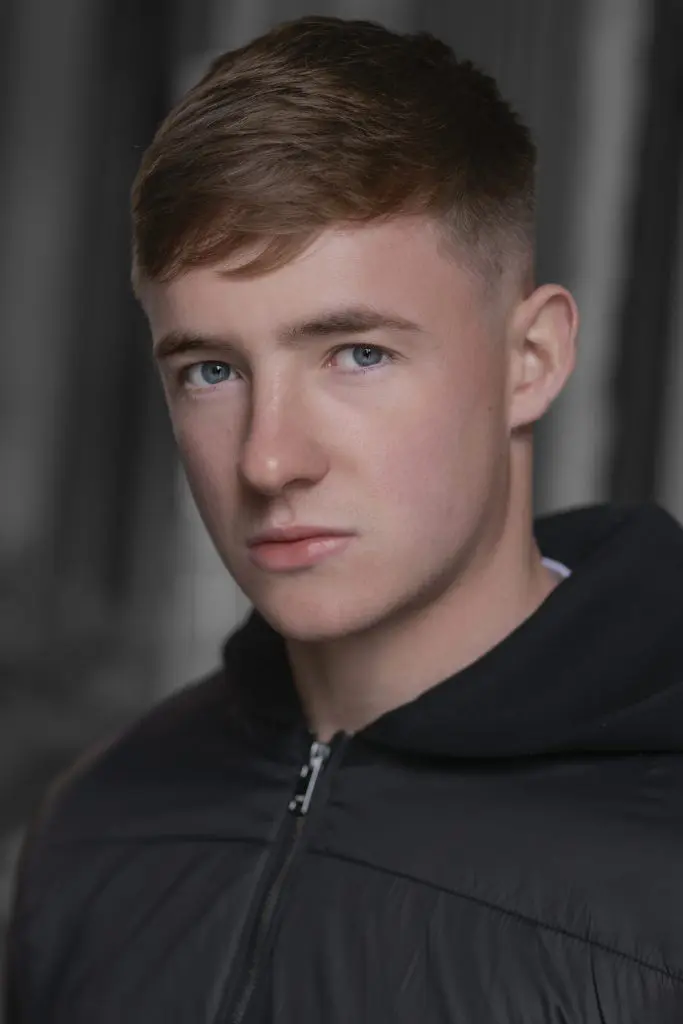
A theatrical headshot, or what most UK actors call a drama or straight shot, is made for film, TV and stage. It is quieter. The light has more shape and shadow, the expression is still, and there is something going on behind the eyes that makes a casting director want to know what you are thinking.
It is not about looking moody for the sake of it, and it is not about playing a character. Casting directors say it clearly in Spotlight’s own interviews: it is not about pulling faces. It is you, thinking.
3. Side by side
Commercial headshot
- Brighter, softer, more even light
- Warm expression, a genuine smile is fine
- Soft colour in your top, nothing loud
- Ads, presenting, corporate, friendly TV roles
- Energy: open, approachable, trustworthy
Theatrical headshot
- More shape and shadow in the light
- Still, closed mouth or a hint of a smile
- Darker, neutral tones and simple necklines
- Film, TV drama, theatre, short films
- Energy: thoughtful, grounded, a bit of mystery
4. Do UK actors really need both?
Most do. If your agent submits you for adverts as well as drama, a single photo is working against you half the time. If you mainly do theatre and screen drama, your main photo will usually be the theatrical one, with a warmer shot further down your gallery for the times a commercial comes up.
If you are just starting and on a budget, get your truest look first. That is the photo that looks the most like you on a normal day. Then add whichever of the two your casting suggests you will be sent for more. Ask your agent, they know exactly what they are pitching you for.
5. How I get both in one session
Start
Your main lookNatural, neutral top, a few minutes to settle in and forget the camera.
Warm up
CommercialBrighter light and a lighter top. We chat, you laugh, I catch the moment just after.
Settle
TheatricalDarker top, more shape in the light. I give you a thought to hold, like a line from a scene you love.
Finish
Choose togetherWe look through them and pick the ones that do a different job, not the same shot twice.
This is where being an actor helps. I direct you like a scene rather than asking you to “look serious”. Give the face something real to think about and the eyes change on their own.
6. The mistakes that cost you meetings
Playing a character. A police uniform or a wedding veil tells casting what you think you should play. Leave it to them.
The same photo twice. A commercial and a theatrical shot in the same top, light and pose is just one photo.
Over editing. Smooth plastic skin makes a commercial look like a catalogue and a drama look fake. Keep the edit light.
Out of date. Either shot is useless if you no longer look like it. See how often to update your headshots.
Questions actors ask
Should my headshot be smiling or serious?
Both have a place. A warm, smiling shot suits commercials and presenting. A still, thoughtful shot suits drama. Your main photo should be the one that matches most of the work you are put up for.
What is a theatrical headshot in the UK?
It is what most UK actors call a drama or straight headshot: a still, natural shot with more shape in the light, used for film, TV and theatre castings.
Can I get commercial and theatrical headshots in one session?
Yes. A change of top, a shift in the light and a different direction is enough. I plan every actor session to cover both.
Which should be my main photo on Spotlight?
The one that matches the castings you get most. If most are adverts, lead with commercial. If most are drama, lead with theatrical. Your agent can tell you.
Do I need different clothes for each?
Bring two or three plain tops. Something with soft colour for commercial, and something darker and simpler for theatrical. My guide on what to wear for actor headshots has the full list.
More guides for actors: Spotlight headshot requirements · What to wear for actor headshots · How to prepare for actor headshots.
Need both looks?
One session, commercial and drama
I will plan the session around the work you are actually put up for, and direct you like a scene rather than a pose.