


For most UK actors, Spotlight is the first place a casting director meets you. Before they read a credit or press play on a showreel, they see a small thumbnail of your face in a list of hundreds. That one photo decides whether they click.
I am on Spotlight as a working screen actor, and Captured By Luke Media is listed in Spotlight Contacts, so I see this from both sides of the camera. This guide covers the technical rules Spotlight sets, the unwritten rules casting directors use, and how I shoot actor headshots in Liverpool so they work the moment they are uploaded.
The short version
- Size. At least 500 x 500 pixels, file between 1MB and 40MB.
- How many. Up to 15 in your gallery, but 4 to 6 strong ones work better.
- Credits. You must name the photographer when you upload.
- No extras. No watermarks, text, borders or screengrabs.
- The golden rule. It has to look like you walking into the room today.
1. The technical rules, in one table
Spotlight keeps the technical side simple. These are the numbers from their own help pages, checked in 2026. Anything a professional photographer delivers will clear them easily, but they matter if you are cropping an old photo or pulling one from your phone.
| Requirement | What Spotlight asks for |
|---|---|
| Minimum size | 500 x 500 pixels. Smaller images trigger a warning. |
| File size | Between 1MB and 40MB. |
| Number of photos | Up to 15 in your gallery. Spotlight recommends 4 to 6 high quality headshots showing a range of looks. |
| Photographer credit | Required. You pick or type the photographer’s name on upload. |
| Not allowed | Watermarks, embedded text, screengrabs, and group photos with people who are not Spotlight members. |
| Shape | Photos keep their original aspect ratio in your gallery. Your main photo expands to fill its space on your profile. |
Two things people get wrong. Resolution in “dpi” does not matter for an upload, pixels do. And a file straight from a phone screenshot is usually both too small and too compressed, which is why screengrabs get rejected.
2. Your main photo does most of the work
Your main photo is the one that shows up in casting searches, on submissions and on your agent’s list. It is often seen at thumbnail size, so it needs to read instantly: a clear face, eyes that are awake, and a look that matches what you get sent up for.
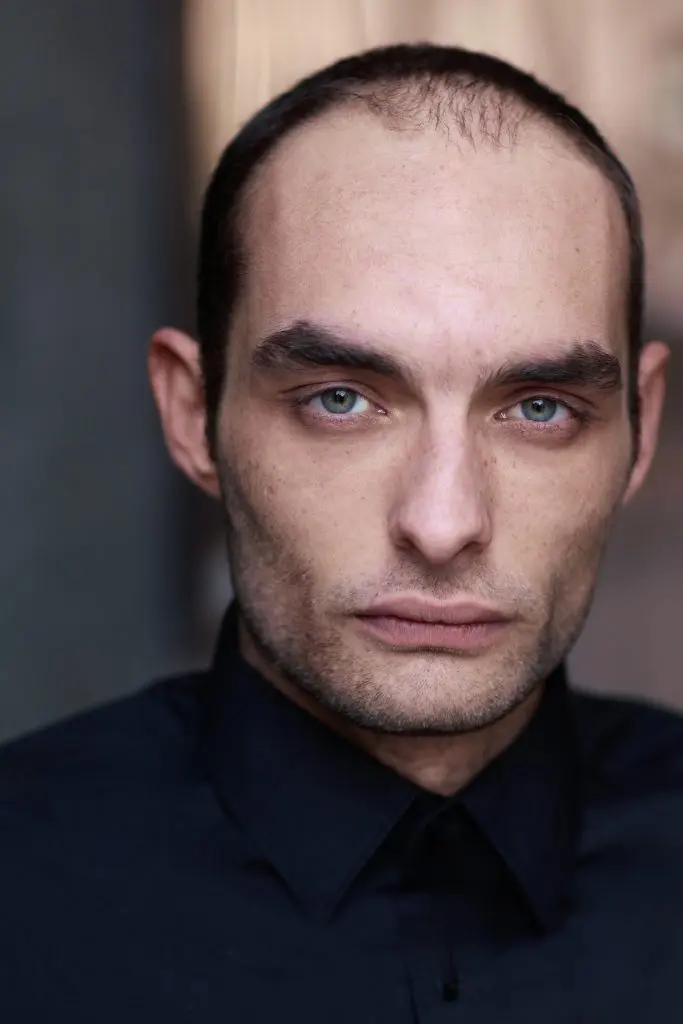
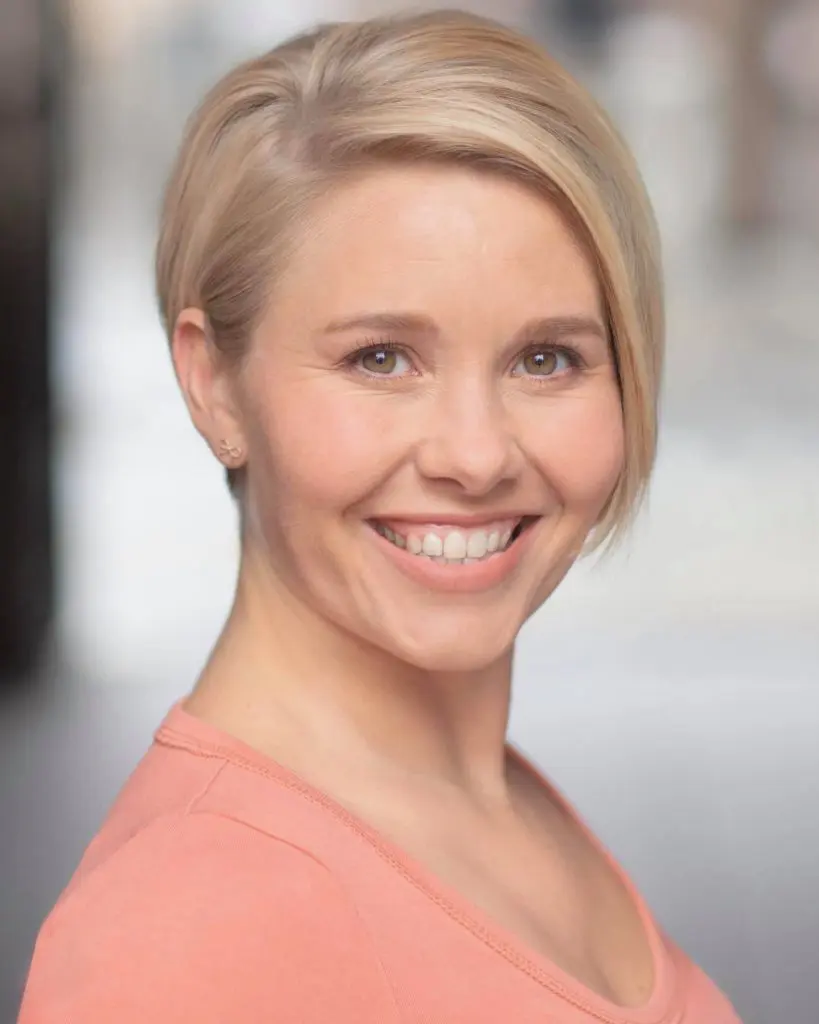
Casting directors say the same thing again and again in Spotlight’s own interviews. The photo has to look like the person who turns up. If you have cut your hair, grown a beard or changed colour since your last shoot, the main photo is the first thing to replace.
3. Colour, crop and shape
Colour is the UK standard now, and it is what I deliver as the main set. Black and white can be a lovely extra, but casting needs to see your real hair and eye colour, so it should not be your main photo.
Crop to head and shoulders, down to around the chest. Leave a little space above your head so nothing gets cut when Spotlight or an agent resizes it. I never crop the top of an actor’s head in a headshot, because the platforms will crop it again for you.
Portrait orientation is the norm for the main image. A landscape frame can work further down the gallery, especially for a more filmic look, but check it still reads when shrunk down.
4. Retouching: what is fine and what is not
Retouching should remove things that were only there on the day: a spot, a stray hair, a shaving rash, redness from the cold. It should not remove things that are part of you, like moles, freckles, scars, lines or the shape of your face.
Casting directors are clear that heavily smoothed, fashion style editing works against you. If the photo does not represent you, the meeting starts with them doing a double take. My edit is light by design: skin looks like skin, and the colour is true.
5. Building a gallery that gets you seen
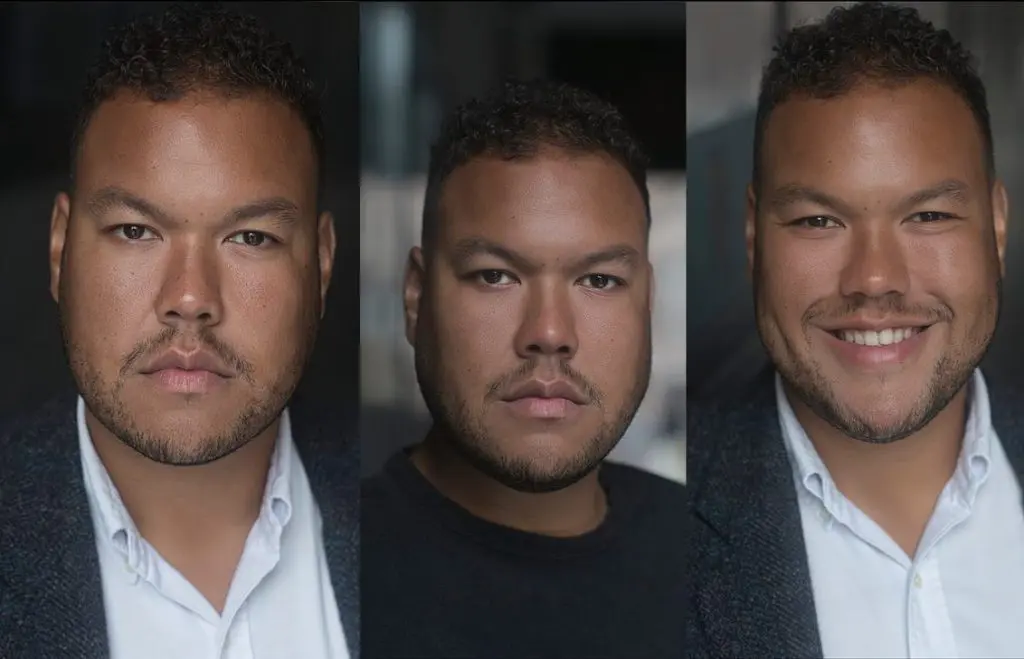
Fifteen slots does not mean fifteen photos. A tight gallery of four to six, each doing a different job, is far stronger than ten near identical frames. Casting directors have said they do not want the same photo from slightly different angles.
The main photo
Your truest, most castable look. Neutral top, eyes alive, a hint of a thought behind them.
Commercial
Warmer and brighter. A real smile for ads, presenting and friendly roles.
Drama
Moodier light and a stiller expression for film and TV drama.
A variation
Hair up or down, glasses, a jacket. A small change that shows range without playing a character.
If you want to know which of those matters most for you, my guide to commercial vs theatrical headshots goes through it. A production still or two can sit at the end, but keep headshots as the focus.
6. Credits, copyright and your licence
In the UK the photographer owns the copyright in the photo, and you get a licence to use it for your career. That is normal and it covers Spotlight, agents, casting sites, your website and social media. Spotlight asks you to credit the photographer on upload so the images are used properly.
What you should not do is add a watermark or the photographer’s logo onto the image itself. Spotlight will reject it. The credit field does that job.
7. When to update
A good rule from casting is every couple of years, and sooner if your look changes. Take old photos down when new ones go up, so nobody calls you in for a look you no longer have. I go into more detail in how often actors should update their headshots.
Before you hit upload
Technical
- At least 500 x 500 pixels, between 1MB and 40MB
- No watermark, text, border or logo on the image
- Photographer’s name ready for the credit
Casting
- Main photo matches how you look this month
- Four to six photos, each doing a different job
- Old headshots removed
- Colour main photo, head and shoulders, space above your head
Questions actors ask
Can I use a phone photo on Spotlight?
You can, and Spotlight has advice on taking an amateur headshot for when you are starting out. It needs to be sharp, well lit and at least 500 x 500 pixels. A professional headshot will still do far more work for you in a casting search.
Does my Spotlight headshot have to be in colour?
Colour is the standard casting expects for your main photo, because it shows your real hair, eye and skin colour. Black and white is fine as an extra further down your gallery.
How many photos should I put on Spotlight?
Four to six. Spotlight allows up to 15, but a short gallery where each photo shows something different is stronger than lots of similar shots.
Do I need to credit my photographer on Spotlight?
Yes. Spotlight asks for the photographer’s name when you upload. Do not add a watermark to the image itself, use the credit field instead.
How much are actor headshots with you?
My actor headshot sessions are £180. You can see what is included on the actor headshots page.
More guides for actors: How to prepare for actor headshots · What to wear for actor headshots · Commercial vs theatrical headshots.
Need a new main photo?
Let’s get you a Spotlight headshot that works
Studio or natural light in Liverpool, shot by someone who sits on the other side of the casting desk too.