
Healthcare & care · Hospitality · Manufacturing & logistics · Construction · Professional services · Tech
Recruitment & Employer Brand Video in Liverpool
Show them what it's actually like to work there.
Real people. Real workplaces. Real reasons to apply.
I create recruitment and employer brand films for Liverpool and North West businesses — filmed around your actual working day, with your people, for careers pages, job adverts, LinkedIn and paid campaigns.
Photography from the same shoot. Back with you inside a week.
Why it works
The job ad tells them the salary. The film tells them whether they'd stay.
Before anyone applies they look you up — careers page, LinkedIn, Glassdoor, the photographs on your website. If what they find is a stock handshake and a paragraph about being like a family, they've learned nothing, and the ones you actually want keep scrolling.
A film answers what a job advert can't. Who they'd sit with. What the building's like. What the work involves on an ordinary Tuesday. Whether the people already doing it seem glad to be there.
Meanwhile the vacancy stays open, the team covers it, and the agency fee for one placement is usually more than the film costs. That's the arithmetic worth doing before you re-advertise the same role for the fourth time.
Nobody believes a company that says it has a good culture. They believe the people who actually work there.
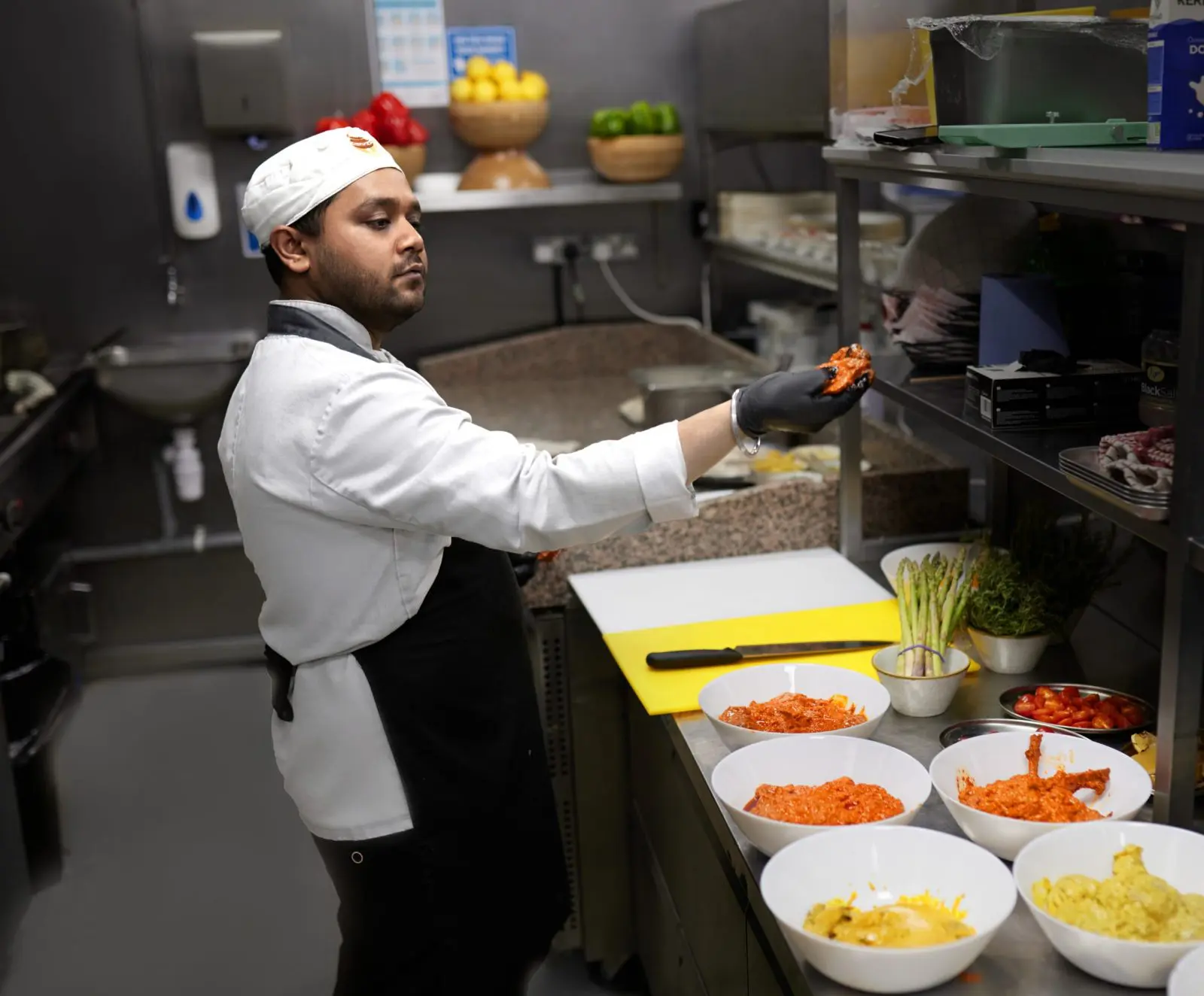
A kitchen at eleven in the morning. This is the bit a job advert can't show you.
Who it is for
Employers with roles that won't stay filled
Different sectors, different reasons the vacancy is still open. The job on the shoot day is the same one every time: get the people who already do it to say why, on camera, in a way a stranger believes.
Healthcare, care and clinical teams
Nursing, care and support roles where the vacancy list never really empties. Filmed around shifts and around patients, with your governance lead signing off before anyone's on camera.
Hospitality, leisure and retail groups
Volume hiring across several sites, seasonal pushes and management pipelines. One shoot day cut into per-site and per-role versions.
Manufacturing, logistics and ports
Shift work, warehouse, plant and driving roles. Showing the floor honestly does more for applications than any amount of copy about opportunity.
Construction and engineering
Site-based roles, apprenticeships and trades. Filmed on site with your induction and PPE rules followed, not worked around.
Law firms and professional services
Trainee intakes, paralegal and business-support hiring, and lateral moves. Partner and associate pieces that sound like a person rather than a bio page.
Accountancy and finance
Graduate and trainee schemes, study support, and the audit hiring push that comes round every year. Filmed once, used across the whole intake cycle.
Tech, digital and life sciences
Knowledge Quarter and Baltic Triangle hiring, where candidates have three other offers. The actual stack, the actual hybrid arrangement, and the people they'd be reviewing code with.
Universities, colleges and training providers
Academic and professional-services recruitment, apprenticeship intakes and open-day content, shot to sit alongside your existing prospectus imagery.
Housing associations, charities and public sector
Values-led hiring where the salary isn't the pitch. Real teams, real impact, consent handled properly.
Filmed on site
Every workplace tells a different story
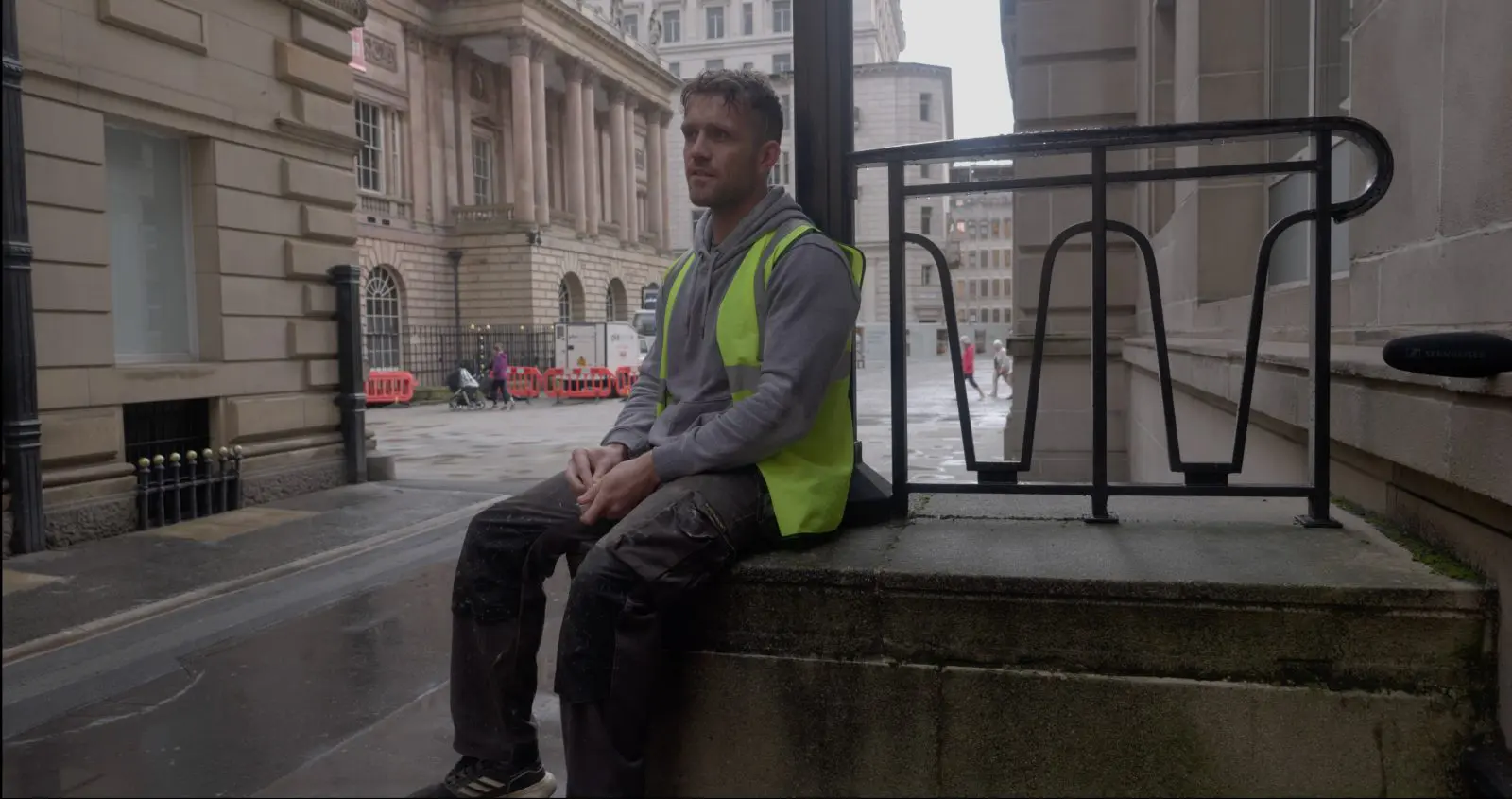
Recruitment films are shot where the work actually happens. The setting changes how a film is lit, how it moves and how people talk, so it’s planned before the day rather than discovered on it.
Where the work gets done
Sites, yards, workshops and the street outside. Filmed moving, with PPE and site rules followed rather than worked around.
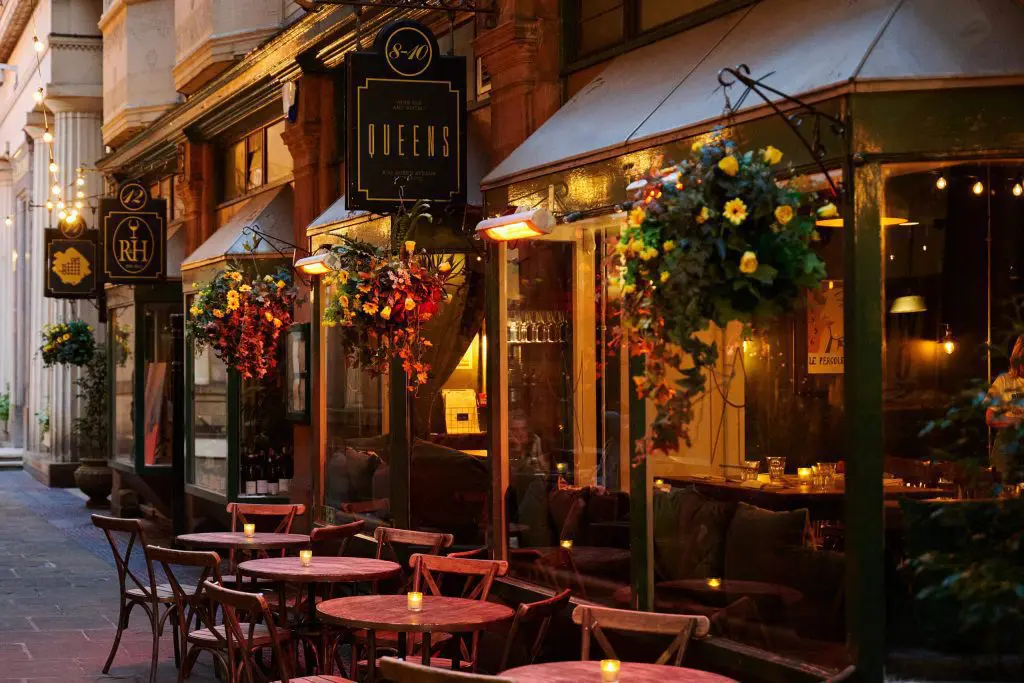
Real shifts, real pace
Hospitality and service teams filmed around the working day, not staged around it.
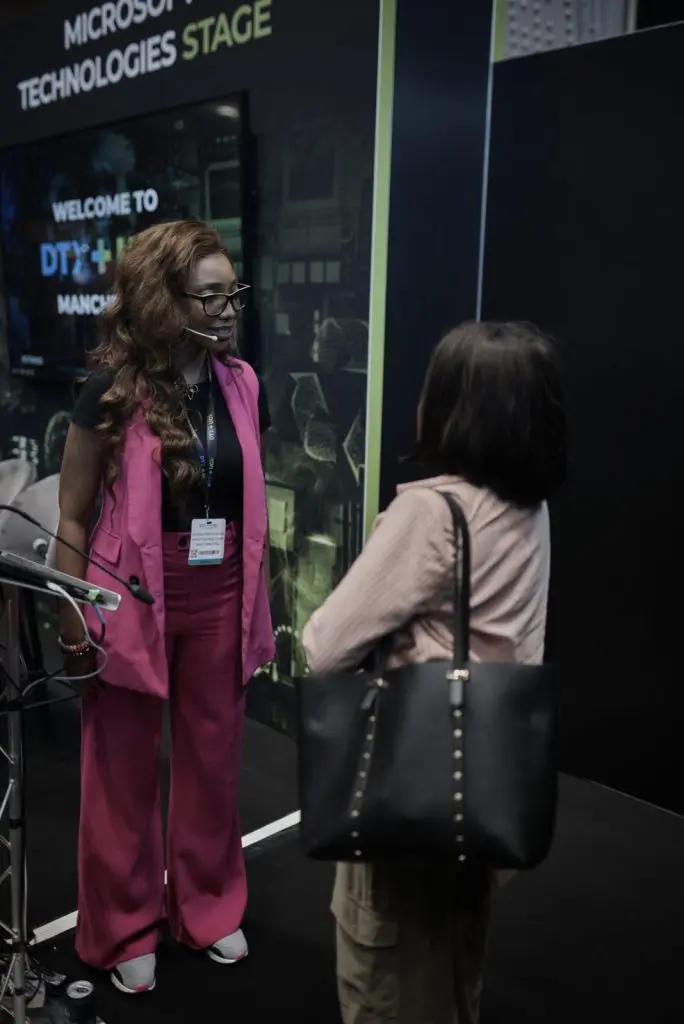
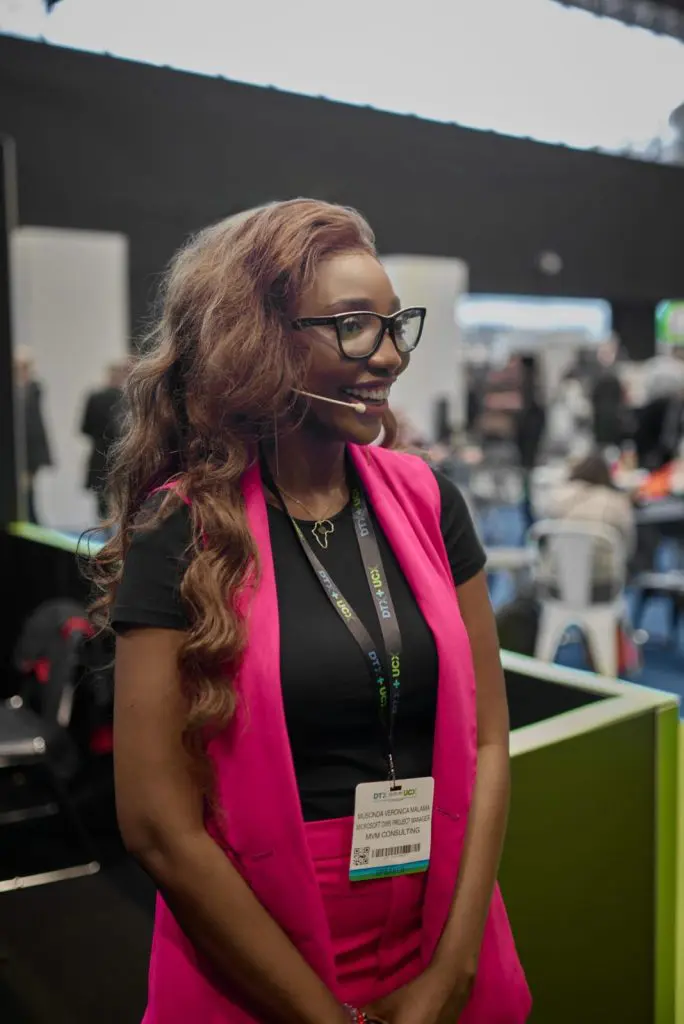
Where they meet you first
Stands, open days and recruitment events — the first conversation a candidate has with your team.
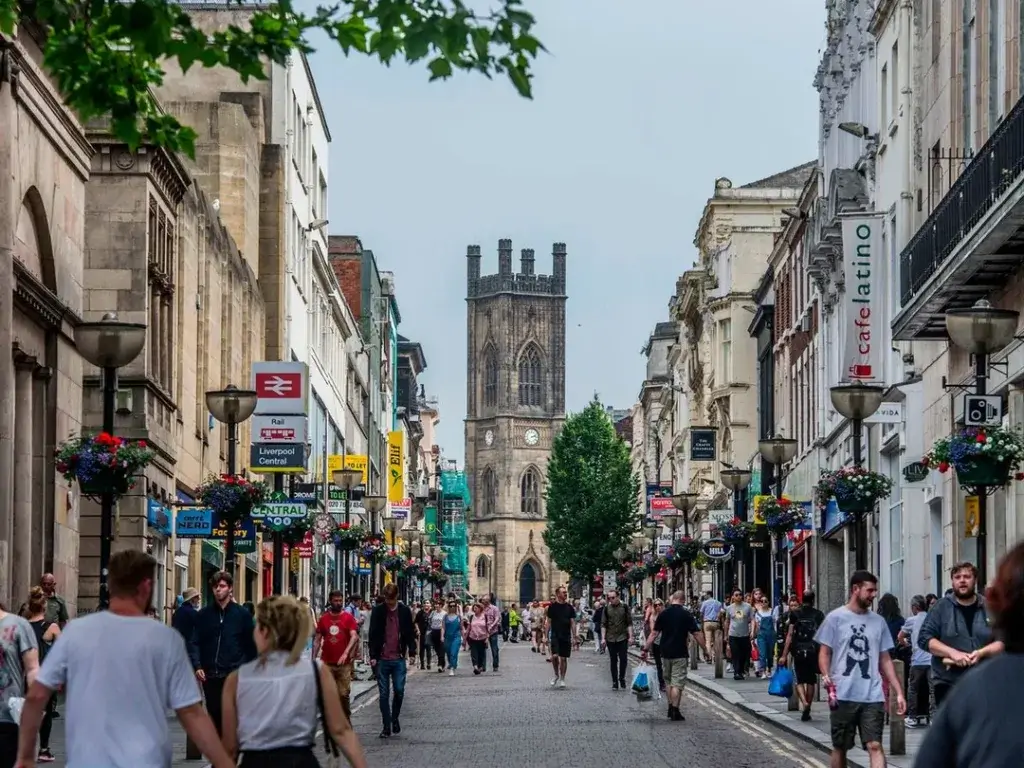
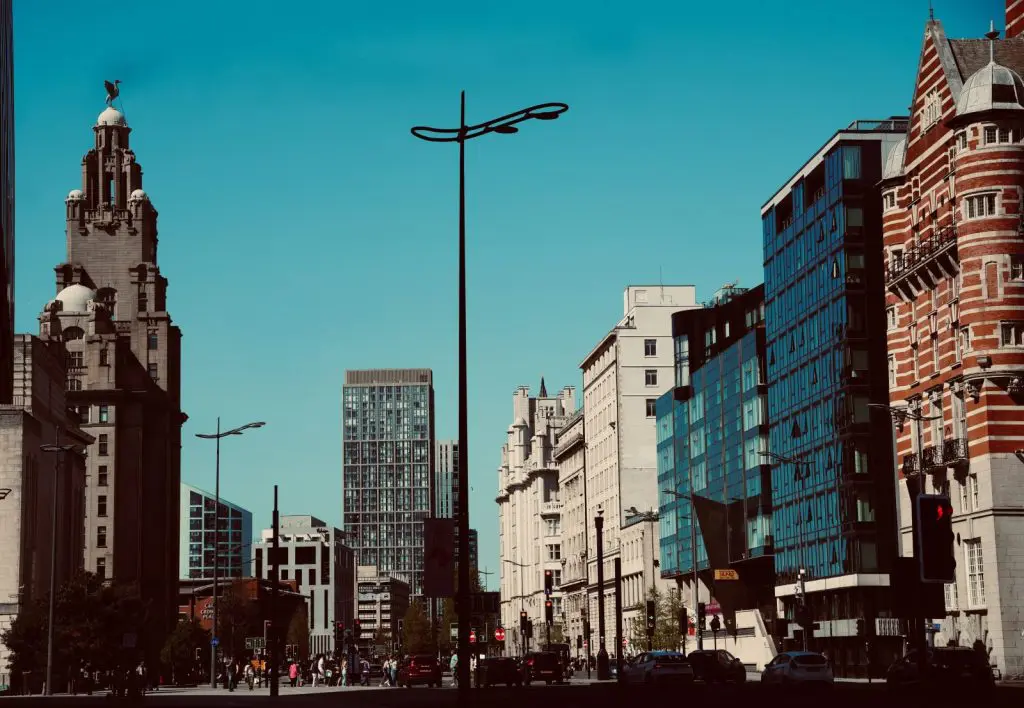
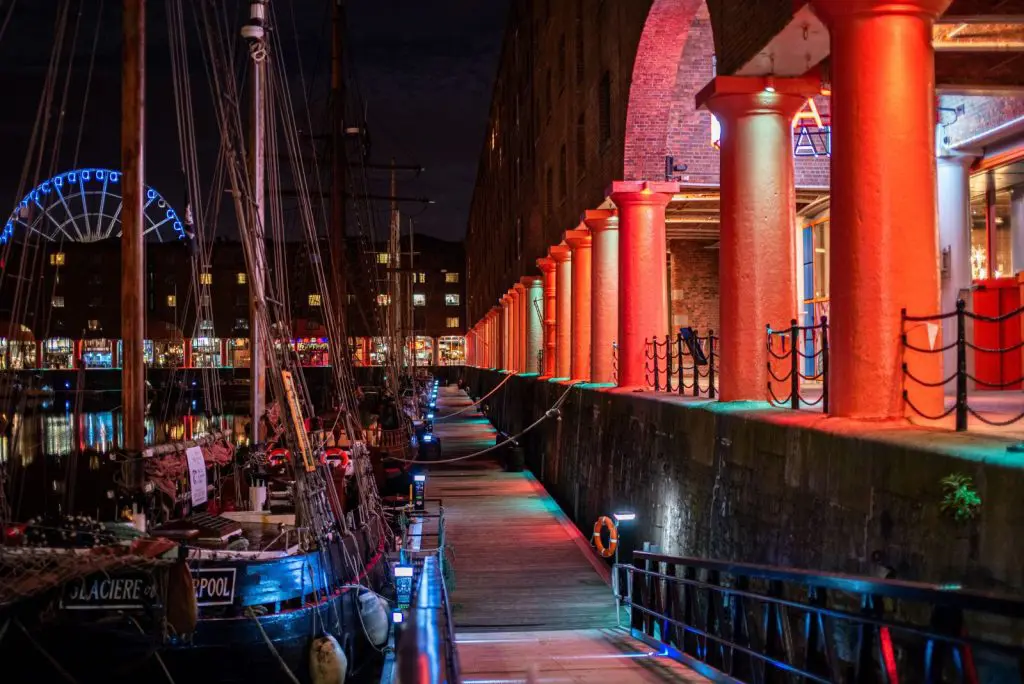
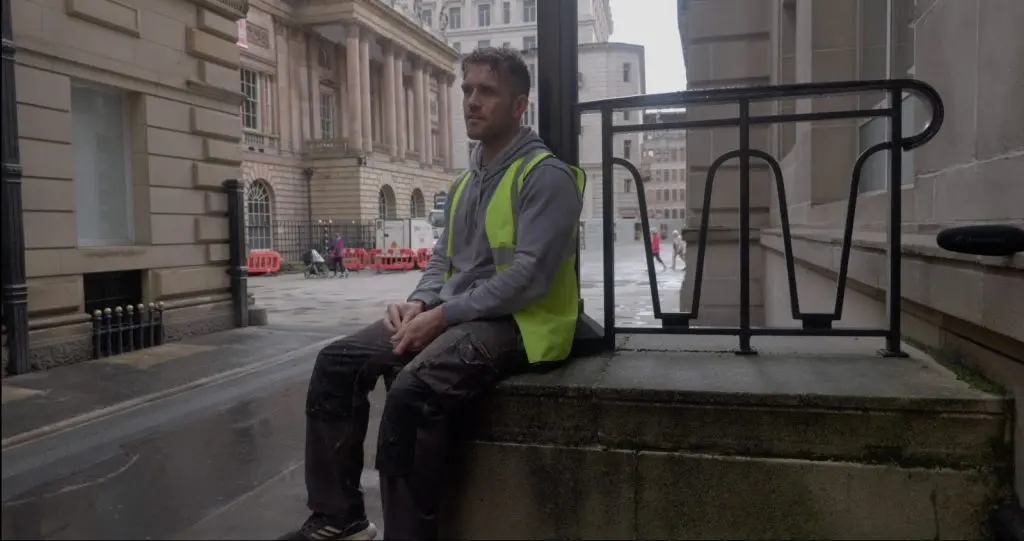
City energy
The commute, the lunch break and the streets outside, for roles where the city is part of the pitch.
Filming somewhere that isn’t on this list? Tell me about the building and I’ll plan around it.
What gets filmed
Everything that comes off one day on site
- 01Employer brand filmsThe main careers-page film — 90 seconds to three minutes.
- 02Day-in-the-life filmsOne role, one person, one shift, start to finish.
- 03Employee testimonialsYour people answering the question a job advert can’t.
- 04Vacancy campaign filmsA short, direct cut built around one hiring push.
- 05Vertical recruitment contentFramed vertical on the day for LinkedIn, Instagram, TikTok and Indeed.
- 06Careers photographyStills from the same shoot, for job adverts and the careers page.
Each one, in detail
Most enquiries start with one thing: a film for the careers page. What gets used is always more than that — the main film, a short piece for each role you're actually hiring for, vertical cuts for the feed, and stills the job adverts can use.
Same day, same crew, same building. Deciding that before the day is the difference between one video and a year of content.
Employer brand film 90 sec – 3 min
The main one. It sits at the top of the careers page and anchors a hiring campaign — who you are, what the work is, and why the people already there have stayed. Built from real staff talking, not a voiceover over stock footage.
Day in the life films 60 – 90 sec
One role, one person, one shift, start to finish. The most useful format for a vacancy you keep re-advertising, because it shows the parts of the job the advert has to leave out.
Employee interviews and testimonials
Short pieces from people at different levels and different lengths of service, including the leadership. Cut individually for socials and together for the careers page. The two-year and the twenty-year answer the same question very differently, and both are worth having.
Culture and values films
Your values, evidenced rather than listed. Filmed as the specific moments that prove them — the handover, the training session, the thing someone does that nobody asked them to do.
Campaign films for a single vacancy 30 – 60 sec
A short, direct piece built around one hiring push, sized for a paid campaign on LinkedIn, Indeed or Meta and cut to work with the sound off.
Vertical cuts for LinkedIn, Instagram, TikTok and Indeed
Framed vertical on the day rather than cropped in afterwards, so heads aren't cut off and captions aren't sitting over someone's face. Delivered as a set, ready to post.
Early careers, apprenticeships and graduate schemes
Content aimed at people choosing a first job — apprentices and trainees talking about the bit that surprised them, cut for open days, school and college visits and UCAS-season socials.
Site, floor and facility tours
A walk through the place they'd actually work. Warehouse, workshop, ward, kitchen or office floor — filmed moving, so it reads as a real building rather than a slideshow.
Onboarding and induction films
The things every new starter gets told in their first week, filmed once and delivered as short modules. It takes the repetition off your managers and gives every intake the same version.
Careers page and job advert photography
Team, workplace and candid photography shot alongside the film — the images your careers page, job adverts and LinkedIn posts have to fill, taken in your building with your people in it.
Announcement and internal comms films are the same shoot day with a different audience — worth asking about if you've got a restructure, a new site or a benefits change landing.
I film recruitment videos, employer brand films, careers content, day-in-the-life pieces, staff interviews and onboarding video for businesses across Liverpool, Merseyside and the North West.
How a hiring shoot works
One call, one day on site, one week later
Four stages. Only one of them takes any real time from your team.
Scoping
What you're hiring for, and your honest theory about why the roles stay open. Who the film has to convince, where it'll sit, and what your people would say if someone asked them why they've stayed. Half an hour on a call covers it.
Pre-production
We pick the roles and the contributors, agree the questions, build a schedule around shifts and meetings, sort consent and any site induction, and confirm what gets filmed where. You get the running order before the day.
Filming day
On site, in your building, with your team working. Interviews take about twenty minutes each. Everything else is filmed around normal activity rather than staged, and the photography runs in the same window.
Edit and delivery
The main film first, then the role films, the campaign cuts and the vertical versions, captioned and graded. Delivered through a private gallery with everything named so your team can find what they need.
Working to a campaign date, an intake deadline or a job board going live? Say so when you enquire and the delivery date is confirmed before you book rather than after.
Check a dateWhat you get
One shoot day. A year of hiring content.
The mistake is booking a video. What you want is a set of assets you can keep cutting from every time a role opens.
The films
- A main employer brand film for the careers page, 90 seconds to three minutes
- Short role films for the specific vacancies you're trying to fill
- Individual staff interview cuts, one per contributor, usable on their own
- Campaign cutdowns of 30 to 60 seconds for paid job advertising
- Vertical versions for LinkedIn, Instagram, TikTok and Indeed, framed vertical on the day
- Burned-in captions on the social cuts and a clean subtitle file for the website
- A silent-autoplay version that still reads with the sound off
The photography
- Enough images that you're not re-using the same three for a year
- Candid frames of people actually working, not lined up against a wall
- Portraits of every contributor, taken between interviews
- Building, floor and site imagery for job adverts and location pages
- Landscape crops for the careers page and job boards, square and portrait for socials
- Named and organised by role, so your HR team can find them a year later
- Private gallery
- Password controlled
- Download or stream
- Full usage rights
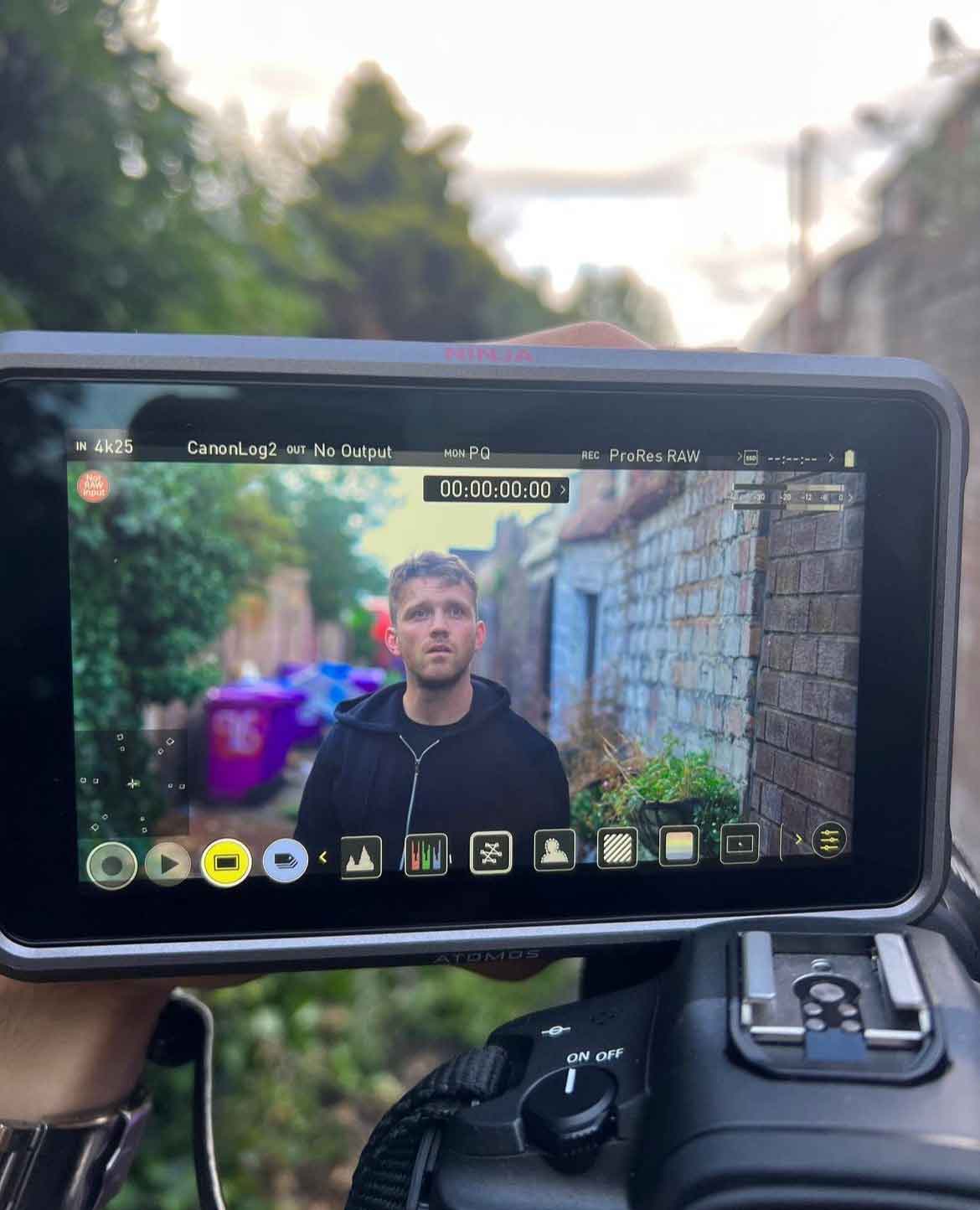


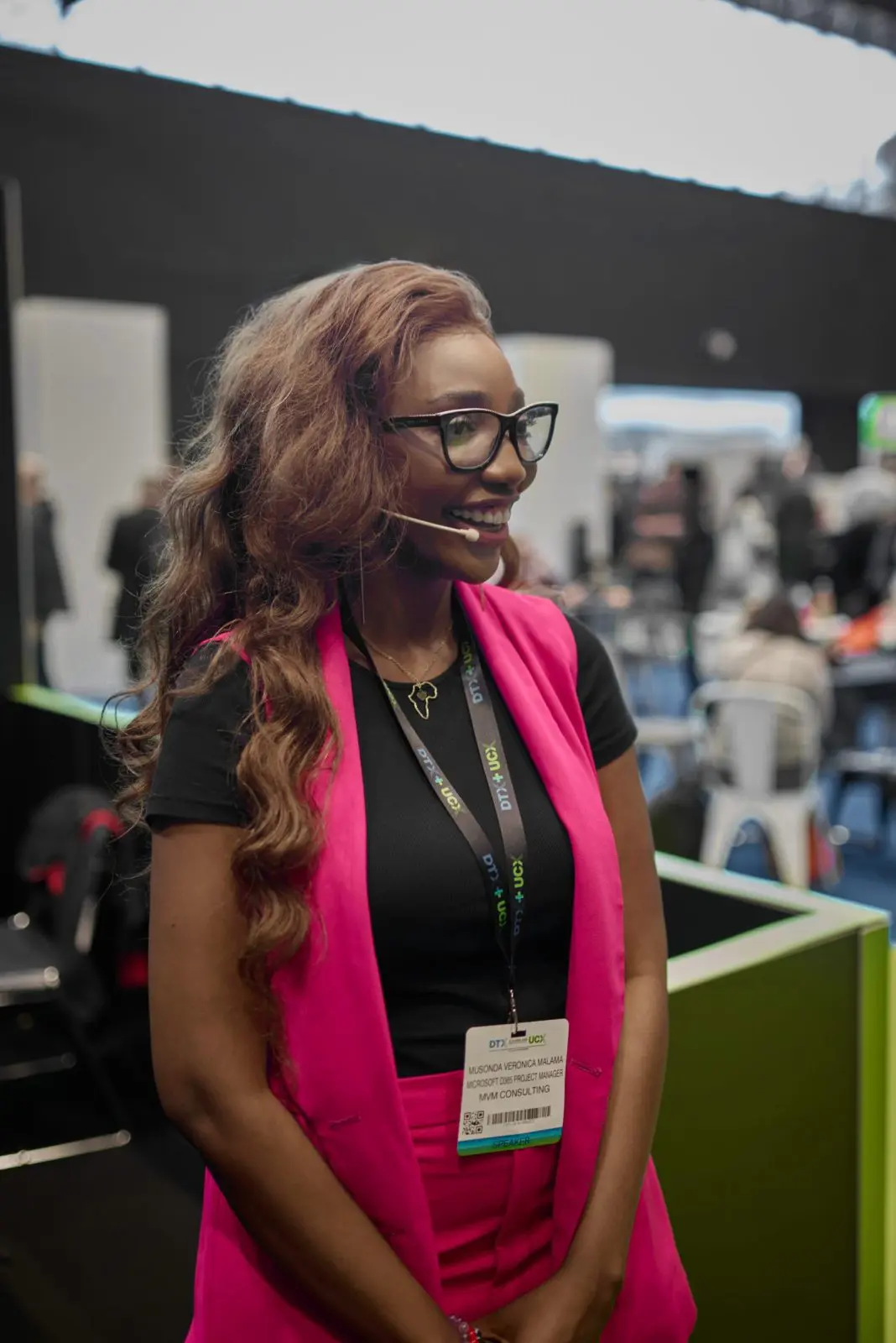
Photography and film are planned as one production rather than two bookings. Matched, repeatable headshots for a whole team are a separate job — those are on the corporate and LinkedIn headshots page.
- Filmed on site
- Real staff
- Consent handled first
- Horizontal & vertical
- Captioned as standard
- Full usage rights
- 4–7 day turnaround
Why me
One person, both cameras, no agency layer
The person quoting is the person who turns up. No account manager, no producer relaying questions, nobody on site who hasn't read your brief.
Stills and video from the same day
Most employers hire a videographer and then realise the careers page also needs photographs. One booking, one visit, one look across everything.
Based here, not travelling here
Based in Liverpool, working across Merseyside and the North West. Multi-site days are planned as one production rather than a series of separate visits.
A week, not a quarter
Most projects are back inside 4 to 7 days. Recruitment content has a shelf life — a film that lands after the intake closed was a waste of a day.
I work to your rules
Governance leads, PPE, permits, NDAs, ward access, consent lists. All of it is normal planning rather than a problem discovered on the morning.
Before the day
The things HR asks first
Sorted in the planning stage rather than in a corridor on the morning.
Consent, and what happens when someone leaves
Everyone on camera signs a release before filming, covering where the film can be used and for how long. If someone leaves later that release still stands — but I'll always recut a film to remove a contributor if you ask, and it's worth building the main film so no single person is load-bearing.
Confidentiality, screens and site security
I work to your rules. Client names, monitors, whiteboards, patient areas, secure zones and anything under NDA are identified in pre-production and either avoided, cleared or blurred in the edit. Happy to sign your NDA before anything is discussed in detail.
Disruption to the working day
Interviews take about twenty minutes each and go into a schedule you approve. Everything else is filmed around what's already happening. On a normal office day most of the floor barely notices; on a site or a ward we work to your access rules and shift pattern rather than the other way round.
Staff who don't want to be filmed
Completely fine, and more common than people expect. Tell me in advance who's out and they're simply not filmed — no cutaways, no background, no negotiating with them on the day. Arranged so nobody has to explain themselves in front of colleagues.
Insurance, inductions and risk assessments
Public liability insurance in place, and I'll complete your site induction, wear your PPE and work to your permit system. If your health and safety lead needs a risk assessment or method statement before the day, ask and it's provided.
Who owns the finished films
You do, for the uses agreed in your quote — careers page, job boards, paid advertising, socials, internal use. Nothing appears on my site, showreel or social channels unless you've said in writing that it can.
Working alongside your agency or in-house team
If you already have a marketing agency, an internal comms lead or brand guidelines, I work inside them rather than around them. Assets are delivered in whatever format your team needs to take it from there.
Anything else your HR, legal or comms team needs settled before you commit a date? Better asked now than in the week of the shoot.
Send me your questions firstPricing, turnaround and formats
What it costs, and when you get it back.
There's no fixed package, because one director talking to camera for a graduate advert and a two-day build across three sites with twelve contributors aren't the same job. Every project is priced against what it actually takes.
What a typical project looks like
One day on site. Six to eight people interviewed. A main film of two to three minutes, three short role films, a set of vertical cuts and around eighty photographs. Delivered inside a week. Most single-site projects sit somewhere around that shape — tell me which parts of it you actually need and you'll get a figure against it.
What moves the price
- How many filming days, and whether they run consecutively
- How many sites, and how far apart they are
- How many people are interviewed on camera
- How many separate films come out of it, including vertical and captioned versions
- Photography alongside the film, or film only
- Scripting, motion graphics or a voiceover
- Travel beyond Merseyside
Turnaround
Most projects are edited and delivered within 4 to 7 days. A single role film comes back sooner than a main film cut with six interview pieces, campaign versions and a full set of verticals.
If you're working to a deadline — a campaign going live, an intake date, an open day, a job board booking or a board meeting — say so when you enquire and the delivery date is confirmed before you book rather than after.
Where is it going?
Tell me where the content's being posted and it's shot and cut for that from the start: horizontal for the careers page, YouTube and job boards; vertical for LinkedIn, Reels, TikTok and Stories; or both, which is what most hiring campaigns end up needing.
Filming people who aren't actors
Everyone is terrible on camera for about four minutes
Bad recruitment video fails the same way every time: someone reading a line they didn't write, in a meeting room with a window behind them, over the sound of the air conditioning. None of that is unavoidable.
People
- Nobody's given a script — questions go out in advance so people can think, not memorise
- Interviews are a conversation with me off camera, so answers land as replies rather than statements
- Twenty minutes each, with the first few thrown away, because that's when everyone's stiff
- Contributors chosen for how they talk, not their job title — the best line often comes from someone eighteen months in
- Anyone who doesn't want to be on camera doesn't have to be, arranged so it isn't awkward
Sound and light
- Lit properly rather than sat under an office ceiling grid, which is what makes people look tired on camera
- Windows used as a light source instead of a bright rectangle behind someone's head
- Radio mics on every contributor plus a backup recorder — office audio ruins more of this than anything else
- Rooms checked in advance for air conditioning, corridor noise, fire alarm tests and glass
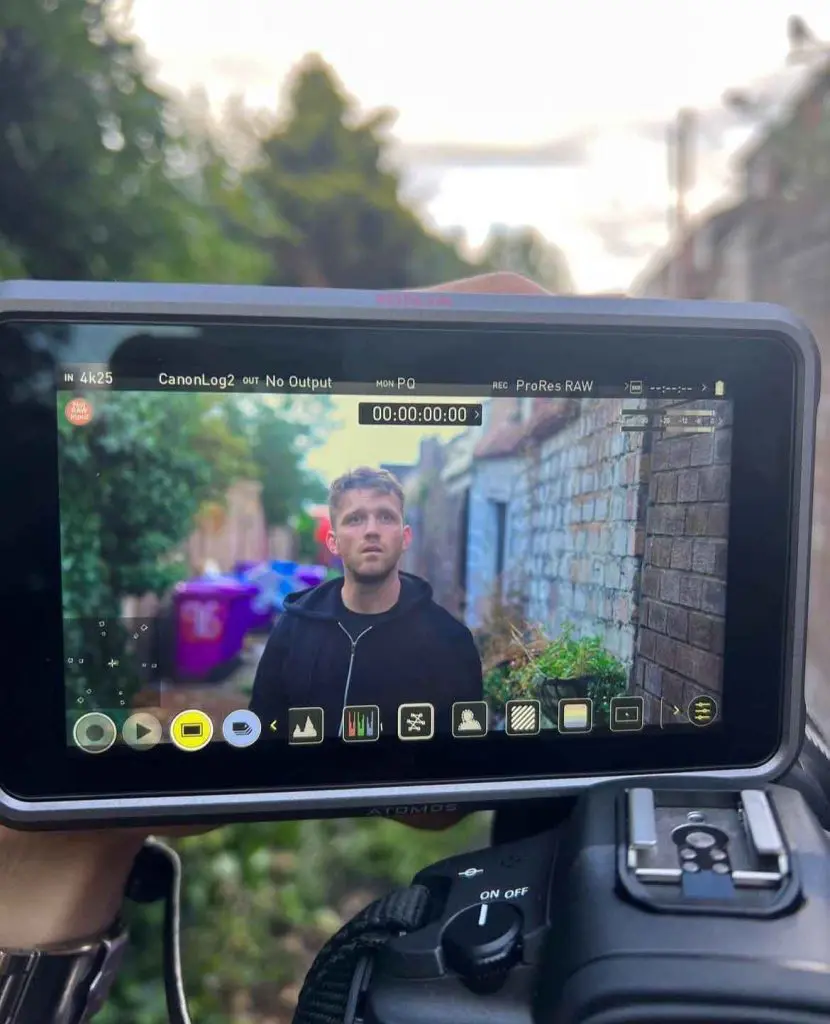
- Shot on fast lenses so the background falls away, which is how a normal office reads as a considered frame
- Graded so the film matches your brand rather than the tint of your ceiling lights
Where I work
Recruitment and employer brand video across Liverpool, Merseyside and the North West
Based in Liverpool, I film recruitment videos, employer brand films and careers content for businesses across Liverpool, Merseyside and the North West. That includes the Commercial District and the city centre, the Knowledge Quarter, the Baltic Triangle, Liverpool Waters and the waterfront, and the industrial and logistics sites around Speke, Kirkby, Knowsley and the docks.
I regularly work across the Wirral, Sefton and St Helens, with Widnes, Runcorn, Warrington, Chester and Greater Manchester covered as part of a booking.
Multi-site employers are filmed across consecutive days and cut into one group film plus a version for each location, so every site has something of its own without paying for separate productions.
Filming happens in offices, warehouses, factories, workshops, clinics, kitchens, sites and studios — wherever the work actually happens. If the building isn't somewhere I've filmed before, the same pre-production applies: access, rooms, power, noise and permissions agreed in the week rather than on the morning.
Recruitment agencies and RPO providers are welcome to book on behalf of a client, and I'm happy to work alongside your existing marketing agency or internal comms team rather than around them.
Looking for something else? A conference, awards night, festival or live music event on a fixed date belongs on the business event coverage page. Brand films, promos and ongoing social content sit on the business video production page. Matched headshots for a whole team are on the corporate and LinkedIn headshots page, and product and e-commerce work is on the product photography page.
FAQs
Your questions, answered
Getting started
How is a recruitment video different from a corporate video?
A corporate video sells to customers, so it can be polished and scripted. A recruitment video sells to candidates, who are specifically looking for the catch — so anything that sounds written gets disbelieved. Same cameras, opposite instincts.
What makes a recruitment video actually work?
Specifics. Not "we're a supportive team" but "my manager let me change my shifts when my kid started school". The second one is unfakeable, and it's the one candidates remember.
We've never done this before — where do we start?
With the role you've advertised most times this year. One vacancy, one film, see what it does to your applications. Employers who start with a full brand campaign usually should have started smaller.
Can you film night shifts or weekend work?
Yes, and for a lot of employers that's the point. If two-thirds of your workforce is on nights, a film shot at 10am is showing candidates a building they'll never see.
Do you work for recruitment agencies on behalf of their clients?
Yes. White-labelled if you'd rather, and I'll deal with the end client directly or entirely through you, whichever suits.
Planning and booking
How much does a recruitment video cost in Liverpool?
There's no fixed price, because the work varies enormously — a single role film with one contributor is a different job from a main film built across three sites with a dozen interviews. Pricing is against the actual build: filming days, sites, contributors, how many separate films come out of it, and whether photography runs alongside. Tell me what you're hiring for and where the content's going, and you get a quote against that.
How far ahead should we book?
Two to four weeks is comfortable for a single-site shoot, which leaves time to pick contributors, sort consent and build a schedule around shifts. Multi-site campaigns and anything tied to an intake date or a job board booking are better with more. If you're already up against a deadline, ask anyway — it's often possible.
How many days will you need on site?
Most single-site projects are one day. Six to eight interviews, the cutaway footage, a site walk-through and the photography all fit comfortably into a working day if the schedule is built properly beforehand. More sites, more roles or shift patterns that span mornings and nights push it to two.
Do you work with HR and talent teams, or with marketing?
Both, and often in the same room. Recruitment video is usually paid for by HR or talent acquisition but has to satisfy marketing's brand guidelines, so it's easiest when someone from each is involved at the scoping stage. If you only have one of the two, that's fine — it just means fewer opinions to reconcile later.
On the day
How disruptive is filming to the working day?
Less than people expect. Interviews are twenty minutes each and booked into a schedule you approve in advance. Everything else is filmed around normal activity rather than staged. On a typical office day most of the floor carries on as usual.
Do you use real employees or actors?
Real employees, always. Actors are the fastest way to make a recruitment film nobody believes, and candidates spot it in the first few seconds. The whole value of this content is that the people in it actually do the job.
What if our staff are nervous on camera?
Almost everyone is, for the first few minutes. Questions go out in advance so people can think about their answers rather than memorise them, the interview is a conversation rather than a performance, and the opening minutes are usually discarded. Nobody is asked to read a line.
Do you script the interviews?
No. Contributors get the questions beforehand and answer in their own words. Scripted staff testimonials are the most obvious tell in a bad recruitment video. The structure comes from the edit, not from words written for someone to perform.
Can you film on a factory floor, a building site or a ward?
Yes, subject to your rules. I'll complete your induction, wear the required PPE, work to your permit system and take direction from your site or ward manager. Tell me what the environment is at the enquiry stage and it's planned for properly.
Formats and delivery
How long should a recruitment video be?
It depends where it sits. A careers page main film works at 90 seconds to three minutes. A day-in-the-life piece for a specific role works at 60 to 90 seconds. A paid campaign cut for LinkedIn or Indeed wants 30 to 60 seconds and has to make sense in the first three. Most employers end up needing all three lengths from the same footage, which is why they're planned together.
Do the films come with subtitles and captions?
Yes. Burned-in captions on the social and campaign cuts, and a clean SRT subtitle file for the website version. Most of your audience watches the opening seconds on mute in an office, so the films are cut to work that way.
Can we use the films on Indeed, Glassdoor and our own careers page?
Yes. Files are delivered in the specifications those platforms want, alongside the versions for your website, YouTube and paid social.
Do we get the raw footage?
Usually not as standard, because raw interview footage includes false starts and material contributors wouldn't expect to be kept. If you have a genuine reason to hold it — an internal archive, or an in-house editor who'll recut later — say so at the quoting stage and it's built in.
Can you update the films later without a full reshoot?
Often, yes. If a role changes or a new vacancy opens, existing footage can usually be recut into a new version. A short top-up shoot once a year keeps the library current for far less than starting again.
Can you film across more than one site?
Yes. Multi-site employers are usually filmed across consecutive days and cut into a group film plus a version for each location, so every site gets something of its own without paying for separate productions.
Enquire
Tell me what you're trying to hire.
The more you can give me on the form, the closer the first reply gets to a real answer — the roles you're filling, how many sites, roughly how many people you'd want on camera, where the content's going and any deadline you're working to. If you don't know all of it yet, send what you have.
The enquiry form opens with Recruitment & Employer Brand Video already selected, and asks about the roles, the sites and your timescale.

Got a role you keep re-advertising?
Tell me what it is, how many sites you've got and when you need it live. You'll get back what it would take to film it properly, and a delivery date — not a brochure.